

You follow every step of a recipe, chop fresh ingredients, and simmer the sauce patiently. Yet when you sit down, the dish tastes noticeably flatter than the restaurant food version you loved last weekend. It is a familiar kitchen frustration. You expect a rich, vibrant plate, but your homemade dinner feels ordinary. The difference does not stem from secret culinary magic. Instead, professional kitchens operate with distinct methods, tools, and flavour strategies that home cooks often overlook during everyday dinner prep.
Dining out offers more than just a break from washing dishes. Sitting in a dining room shapes your sensory expectations, making aromas and textures feel more pronounced. Diners have become far more selective with their spending. Because eating out feels like a larger financial commitment, patrons demand meals that truly justify the bill. Professional kitchens respond through deliberate systems. They do not rely on accidental bursts of inspiration. Every sauce, sear, and garnish reflects intentional planning designed to deliver consistent, craveable results.
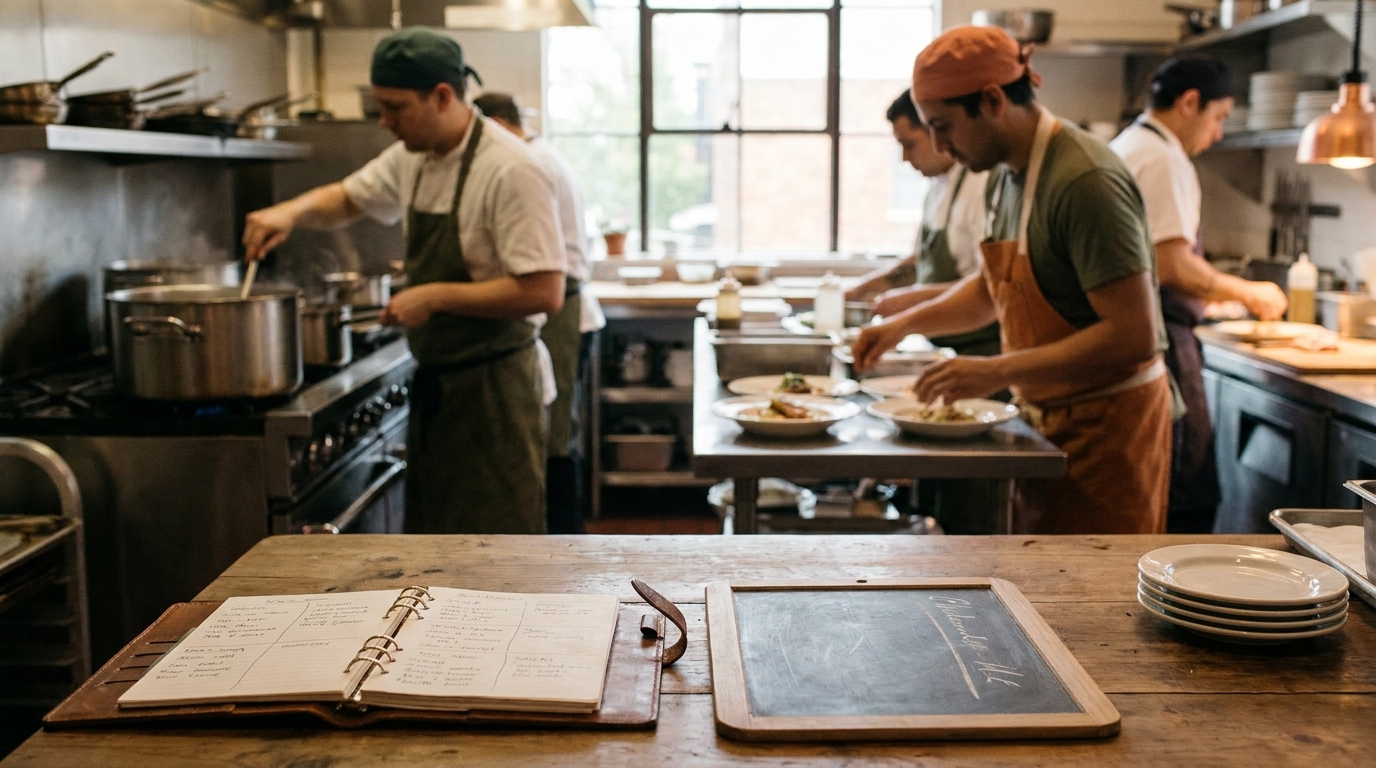
The Secret of Elevated Familiarity: Taking Comfort Food Further
When you order a meal out, you likely want something comforting that still surprises your palate. Diners actively look for comfort and familiarity balanced with novel elements. People enjoy familiar recipes balanced by modern adjustments, subtle global accents, or balanced interpretations of rich classics. Food that works on multiple sensory levels satisfies an emotional need for comfort while providing an exciting dining experience.
Chefs build on this desire by refining traditional comfort foods and desserts. Rather than serving a basic dessert, commercial kitchens upgrade nostalgic dishes with unique ingredients, elevated presentation, and complex flavour combinations. As Kelly Cullen, head pastry chef at Cornus, observed, diners want desserts that evoke memories and familiarity while feeling distinct and worthy of choosing.
At home, cooks often stop at standard preparation. You might bake a simple berry crumble or assemble an everyday pasta bake using a single pan. A restaurant kitchen, however, builds deliberate contrast across texture, temperature, and presentation. Line cooks pair crisp toppings with silky, chilled creams or finish a hot braise with crisp, cold herbs. They also arrange plates to engage the eyes before the first forkful. These small, layered details make familiar dishes taste richer and more engaging than standard home renditions.
Depth Over Gimmicks: How Restaurants Build Layered Flavour
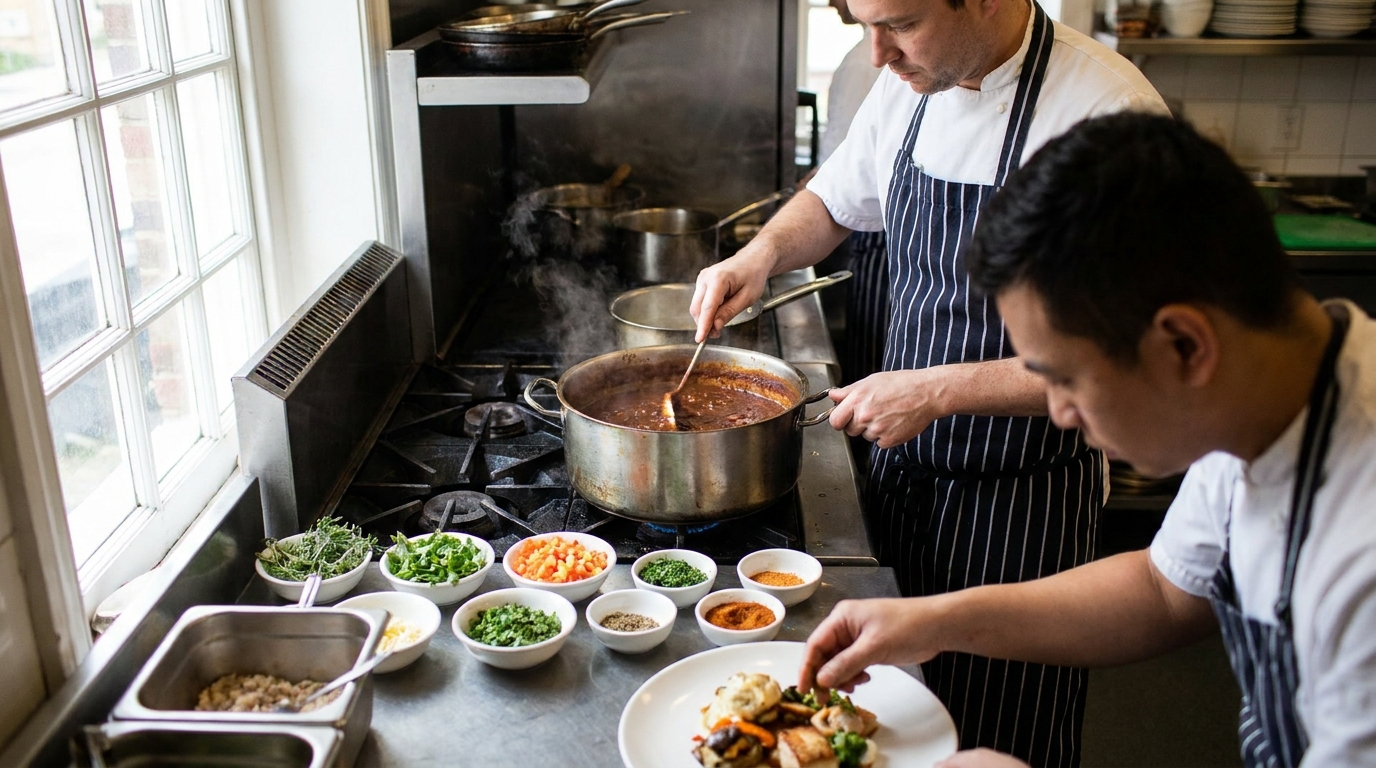
Exceptional kitchen flavour requires more than surface-level novelties. Dining trends across cafes and restaurants show a clear shift past superficial seasonal additions, such as standard pumpkin spice or basic fruit crumbles. Today, diners gravitate toward deeper, multi-dimensional flavour foundations that linger on the palate.
Restaurant cooks develop this depth through foundational culinary techniques. A commercial kitchen routinely reduces stocks to concentrate gelatin, deglazes roasting pans to capture browned bits, and rests proteins so juices redistribute. Professional cooks also balance richness with acidity. When a dish tastes slightly flat, a cook rarely just dumps in extra salt. Instead, they add a splash of vinegar, wine, or citrus juice to lift the heavy fats and make every note pop.
Home cooks frequently season a dish only once, usually at the beginning or end of cooking. In contrast, professional cooks season across multiple stages. Cooks continuously taste and adjust sauces throughout service. By adding salt while sweating aromatics, during simmering, and just before plating, the seasoning penetrates deep into every component rather than sitting loosely on the surface.
Distinctive Ingredients and the Professional Standard
The components inside a restaurant pantry look markedly different from typical supermarket staples. Standout ingredients have the power to transform simple suppers into memorable occasions. Incorporating speciality cheeses, artisan breads, and locally sourced meats provides a rich foundation of flavour that ordinary home pantries rarely supply.
These ingredient standards spread throughout the wider food industry. Trends that start in independent coffee shops, bakeries, and high-street bistros quickly influence consumer expectations in other settings, including workplace dining. As professional dining spaces raise the bar with distinct culinary items, patrons begin to notice how high-grade sourcing transforms an entire meal.
Beyond sourcing, commercial kitchens excel at ingredient handling. Cooks prep ingredients daily through structured mise en place, storing fragile herbs in damp towels and keeping cooking fats at precise temperatures. This careful care protects delicate aromas and prevents ingredient decay. As a result, restaurant vegetables maintain their crisp snap and meats hold optimal juiciness.

How to Bring Restaurant-Calibre Flavour to Your Kitchen
You do not need industrial burners or expensive gadgets to improve your everyday cooking. Home cooks can capture the feeling of restaurant-style dining while managing household budgets. The secret lies in making deliberate ingredient choices rather than overhauling your entire grocery list.
One reliable method is pairing simple home cooking with curated, artisan-made foundations. Independent retailers and quality delis offer wholesome options such as deli-made quiches, prepared pies, savoury soups, and fresh salads. Using these prepared dishes alongside your own staple proteins or grains cuts preparation time and adds convenience without sacrificing quality.
To upgrade your dinners further, apply these fundamental line-cook habits:
- Season in progressive layers: Add modest pinches of salt at each cooking stage instead of seasoning once at the end.
- Add finishing fats: Swirl a knob of cold butter or a drizzle of quality olive oil into pan sauces right before serving to create a glossy sheen.
- Balance fat with acid: Brighten braises, rich soups, and pasta dishes with a dash of fresh lemon juice or sherry vinegar.
- Focus on clean presentation: Warm your plates, wipe the rims clean, and build height so the food looks inviting.
Elevating Everyday Cooking
The gap between standard homemade food and restaurant-quality dining comes down to intentional technique and thoughtful sourcing rather than unattainable talent. Professional kitchens succeed by layering seasonings, pairing contrasting textures, and selecting standout ingredients. You can easily adapt these methods to your own kitchen counter. Pick one professional technique to practice during your next dinner, and discover how easy it is to elevate simple home meals.
Frequently Asked Questions
Can you achieve restaurant-style meals on a budget?
Yes. You can bring a taste of restaurant dining home on a budget by focusing on a few standout ingredients. Choosing a speciality cheese, artisan loaf, or locally sourced cut of meat elevates simple pantry staples into a memorable supper.
How do prepared deli foods help home cooking?
Wholesome deli items like prepared soups, savoury pies, and fresh salads provide a high-quality shortcut. They save valuable prep time and add convenience while maintaining the flavour standards of a home-cooked meal.

Author: Tom Green
If we’re not supposed to have midnight snacks, then why is there a light in the fridge?
