All the Recipes from Bean Month 2026: 4 Essential Tips to Cook Heirloom Dry Beans
Cooking a full bag of dried legumes often feels intimidating, but discovering all the recipes from Bean Month 2026 makes the process deeply rewarding. Organized by Boonville Barn, the event features a five-week program that guides participants through a single pound of dry beans each week. Every weekly guide introduces a specific bean variety, detailing its regional history, agricultural background, and practical recipes to finish the entire pound across several meals.
Cooking with heritage dry beans delivers far better flavor, silky textures, and superior nutrition than standard canned alternatives. Canned options often rely on firming agents and high sodium that dull natural aromas. In contrast, dried heirloom beans create their own rich cooking broth while tenderizing evenly. Learning how to cook and season these traditional pantry staples will completely transform your weekly dinner routine.
Tip 1: Build Rich Tuscan-Style Stews Around Delicate White Beans (Zolfini and Sorana)
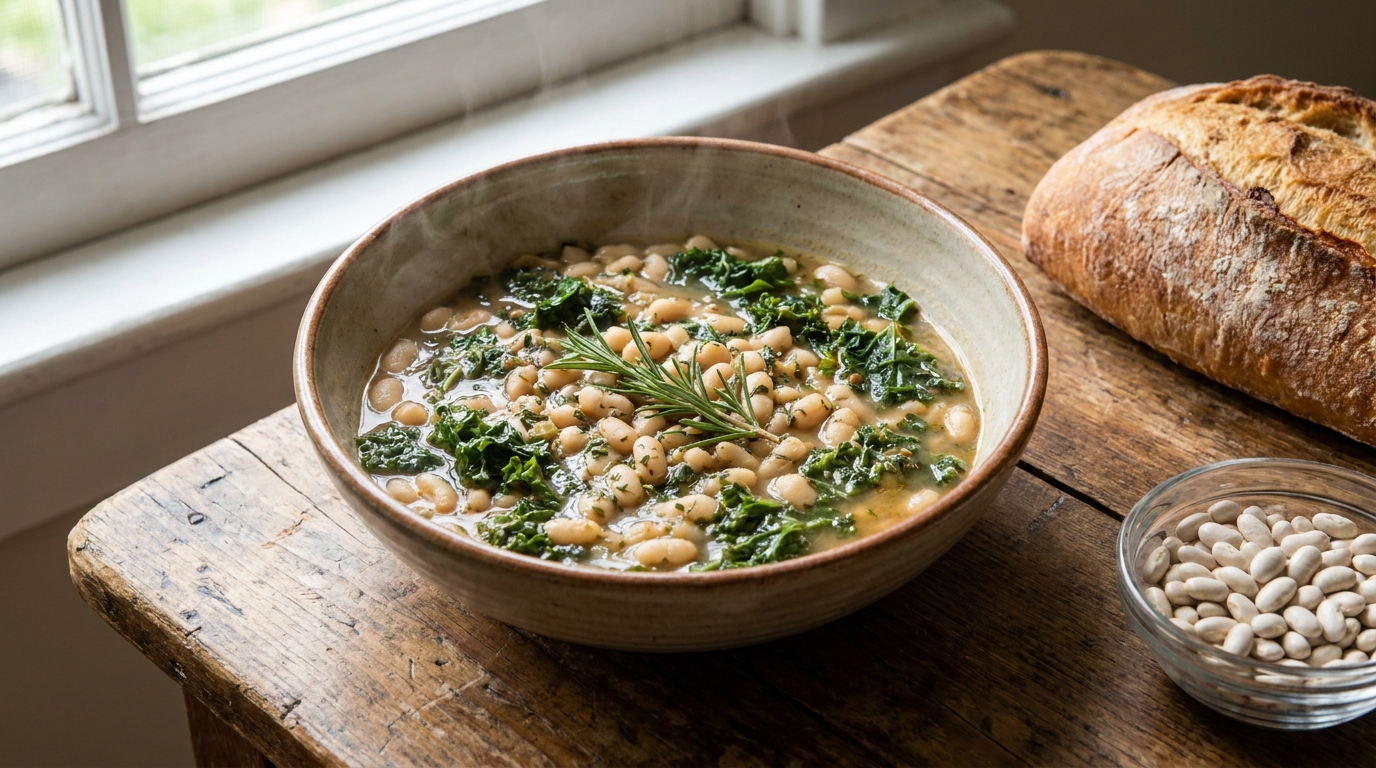
Delicate heirloom white beans deserve a gentle cooking method that protects their fragile skins. Italian varieties like Zolfini and Sorana possess exceptionally thin skins and buttery, melt-in-your-mouth interiors. When simmered gently, they absorb savory aromatics and olive oil without rupturing or turning into mush. Vigorous boiling breaks them apart, but a patient simmer yields a plush, velvety pot liquor.
Boonville Barn highlights cooked Zolfini or Sorana beans in a pesto bean salad, noting it was a go-to summer side dish to work through garden basil. To prepare a traditional Tuscan-style minestra or stew, cook your soaked beans in plenty of water with a generous pour of extra-virgin olive oil. Sauté sliced leeks and crushed garlic in a heavy pot until soft and fragrant. Combine the aromatics with the simmering beans and let the stew thicken slowly over low heat.
You can easily adapt this dish to match your dietary needs. Dicing cured pancetta into the aromatic base adds a rich, savory depth that balances the creamy beans. If you prefer a plant-based dinner, skip the pork entirely. Instead, finish the soup with smoked extra-virgin olive oil and coarse sea salt. The smoked oil supplies deep campfire aromatics while keeping the stew entirely vegetarian.
Tip 2: Whip Rosso di Lucca into Creamy Peasant-Style Purees
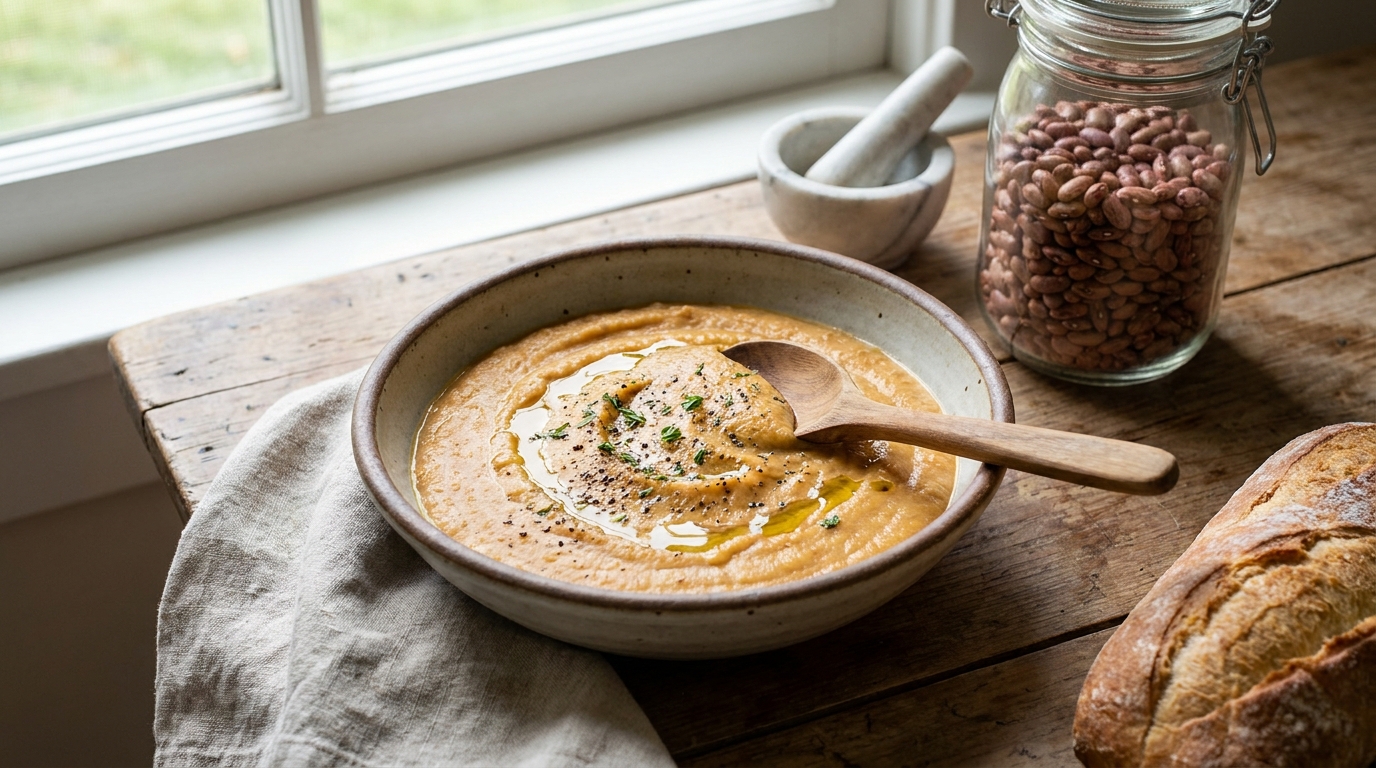
Dense, full-bodied beans offer the perfect foundation for velvety dips and spreads. Rosso di Lucca is an heirloom Tuscan red bean with distinctive scratchy markings that farmers have cultivated since the nineteenth century. These beans possess a dense, starchy crumb that emulsifies readily when blended. Whipping them with warm cooking liquid and quality fat creates a luscious, cloud-like puree that easily anchors an evening meal.
Start by simmering your dried Rosso di Lucca beans until they yield completely under gentle pressure. Drain the beans, but be sure to reserve at least one cup of the nutrient-rich cooking broth. Transfer the warm beans to a food processor with a pinch of sea salt and a steady stream of good olive oil. Splash in enough warm bean broth to achieve a smooth, pourable consistency.
Spread this warm red bean puree across wide shallow bowls as a hearty bed for rustic grains. It pairs wonderfully beneath toasted nutty farro or soft, buttery polenta. For an enticing contrast in textures, scatter crispy fried sage leaves, rosemary sprigs, and freshly cracked black pepper over the top. The crunch of the herbs cuts cleanly through the dense, comforting puree.
Tip 3: Harness Resilient Heirlooms (Southwest Gold and Ancient Tepary)
Hearty regional varieties stand up remarkably well to bold chiles and long cooking sessions. Southwest Gold and ancient Tepary beans maintain firm structural integrity, making them ideal for bold Southwestern dinners. According to Boonville Barn, agricultural breeders developed UC-Southwest Gold to deliver 47% to 60% higher crop yields than heirloom Zuni Gold while preserving vital natural disease resistance.
Southwest Gold beans trace their deep ancestry directly to the traditional Zuni Three Sisters agricultural system. In this sustainable polyculture model, bean vines climb sturdy corn stalks while actively fixing nitrogen into the surrounding soil. Tepary beans boast an even older heritage in North American culinary history. Archaeological findings trace Tepary cultivation back 2,500 years in the Tehuacán Valley of Mexico, proving their extraordinary drought resilience and dependable firm bite.
To prepare these resilient heirlooms, braise them slowly in a Dutch oven with toasted cumin, Mexican oregano, and whole dried chiles. Simmer until the beans are tender but retain their shape. You can control the texture by adjusting how much cooking liquid you reduce. Keep the broth thin for a comforting bowl of brothy beans served with warm tortillas, or simmer it down to a thick, savory chili base.
Tip 4: Stretch Your Grocery Budget with Sheet-Pan Bakes and Brothy Greens
Pantry cooking should be economical, nourishing, and deeply satisfying. Simple pantry staples can produce elegant dinners that help offset grocery bills. In a guide on budget-friendly cooking during economic inflation, Table Magazine highlighted several inventive, low-cost bean meals. Slow-roasting and gentle braising coax immense flavor out of everyday ingredients without requiring expensive specialty meats.
One outstanding technique combines tender cannellini beans and winter greens in a fragrant, brothy pot. Simmer cannellini beans with chopped carrots, garlic, fresh sage leaves, and sweet roasted tomatoes until the flavors meld together. Fold in chopped Tuscan kale during the final ten minutes of cooking so the leaves soften without losing color. Finish each serving with freshly squeezed lemon juice to brighten the rich broth.
Another budget-friendly preparation transforms Greek giant beans into a satisfying main course. Toss plump gigante beans in a rich tomato and onion sauce lightly sweetened with honey. Roast the mixture uncovered in a baking dish until the edges caramelize and the sauce bubbles vigorously. Scatter fresh chopped dill over the top right before serving. The sharp fresh herbs and sweet acidity balance the dense starches beautifully.
Bonus Tips: Elevate Rice and Beans with Warming Global Aromatics
Simple rice and bean bowls can quickly become repetitive during cold winter months. Culinary features from Table Magazine suggest waking up staple grains with bold, unexpected global spices. Adding complex aromatic spice blends transforms ordinary ingredients into warming, restaurant-worthy winter comfort meals.
Take inspiration from Indian culinary traditions by seasoning your pot with Vindaloo curry spices, whole star anise, and a delicate pinch of saffron. To maximize flavor, always bloom your spices in warm olive oil, clarified butter, or ghee for thirty seconds before adding the beans. Blooming extracts fat-soluble aromatic oils from the spices, coating each bean with rich, multi-layered warmth.
Quick Reference: Bean Month 2026 Flavor & Technique Guide
- Zolfini and Sorana: Simmer slowly in a gentle Tuscan minestra with sweet leeks, minced garlic, and olive oil.
- Rosso di Lucca: Whip the cooked beans into a silky puree and serve warm over cooked farro or soft polenta.
- UC-Southwest Gold and Tepary: Braise with roasted cumin, oregano, and dried chiles in a Three Sisters-inspired stew.
- Greek Gigantes and Cannellini: Roast giant beans with tomato, onion, honey, and dill, or simmer cannellini with kale, roasted tomatoes, and fresh lemon.
What is Bean Month 2026?
Organized by Boonville Barn, Bean Month 2026 is a five-week program that introduces a different heirloom dry bean each week along with history, agricultural background, and multi-meal recipes.
Why use dried heirloom beans instead of canned beans?
Dried heirloom beans offer richer flavor, silkier textures, and natural cooking broth without the added sodium or firming agents commonly found in canned options.
How do you cook delicate white beans like Zolfini and Sorana without breaking them?
Simmer them gently in plenty of water with olive oil and aromatics instead of boiling vigorously, which preserves their thin skins and keeps them from bursting.
Why should you bloom spices before adding them to beans?
Blooming spices in warm fat like olive oil or ghee extracts fat-soluble aromatic oils, coating the beans in deeper, multi-layered warmth.