3 Irresistible High-Protein Cottage Cheese Pasta Sauces in 15 Minutes
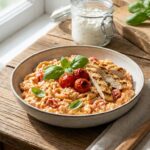
15-Minute Cottage Cheese Pasta Sauces Deliver High Protein for Fast Weeknight Dinners

Registered Dietitians have popularized cottage cheese pasta sauces as an efficient dinner solution that transforms traditional comfort food into a high-protein meal. By pairing pureed curds with rich tomato bases and lean proteins, these 15-minute sauces deliver 39 grams of protein per serving.

This culinary shift addresses a widespread challenge for busy households seeking nutritional balance without extended cooking times. Blending dairy staples directly into pasta sauces bypasses heavy cream and labor-intensive roux preparations. The method offers reliable satiety, balanced macronutrients, and a velvety texture using everyday ingredients.

Three Easy Cottage Cheese Pasta Sauces You Can Make in 15 Minutes

The best way to enjoy cottage cheese pasta sauces is to experiment with simple ingredients that create rich flavors without requiring complicated cooking techniques. These three quick recipes use everyday kitchen staples and turn ordinary pasta into a creamy, protein-rich dinner.

1. Creamy Tomato and Cottage Cheese Sauce

This tomato-based sauce combines the familiar taste of marinara with the smooth texture of blended cottage cheese. It works particularly well with penne, fusilli, or rigatoni.

Ingredients (2 servings):

  • 200 g cottage cheese
  • 200 g tomato passata
  • 1 garlic clove, minced
  • 1 tablespoon olive oil
  • 2 tablespoons grated Parmesan cheese
  • 1 teaspoon dried Italian herbs
  • Salt and black pepper to taste
  • 200 g pasta

Preparation:

Cook the pasta according to the package instructions. Meanwhile, blend the cottage cheese until completely smooth. Heat olive oil in a skillet, add the garlic, and cook for approximately 30 seconds. Pour in the tomato passata and Italian herbs, then simmer for three to four minutes.

Reduce the heat and stir in the blended cottage cheese and Parmesan. Add a splash of reserved pasta water to achieve a smooth consistency. Toss with the cooked pasta and serve immediately.

2. High-Protein Cottage Cheese Alfredo Sauce

This lighter Alfredo-style sauce delivers a creamy, cheesy flavor without relying on heavy cream or large amounts of butter. It pairs especially well with fettuccine, linguine, or spaghetti.

Ingredients (2 servings):

  • 200 g cottage cheese
  • 30 g grated Parmesan cheese
  • 50 ml milk
  • 1 garlic clove, minced
  • 1 teaspoon olive oil
  • A pinch of black pepper
  • Salt to taste
  • 200 g pasta

Preparation:

Cook the pasta until al dente, reserving a small cup of pasta water before draining. Blend the cottage cheese and milk until the mixture becomes completely smooth.

Gently heat the olive oil in a skillet and briefly cook the minced garlic. Lower the heat and add the blended cottage cheese, Parmesan, and black pepper. Stir continuously until the sauce is warm and creamy, avoiding a boil.

Add the cooked pasta and gradually mix in a little reserved pasta water until the sauce coats every strand. Serve with additional Parmesan if desired.

3. Cottage Cheese, Spinach, and Garlic Sauce

Fresh spinach and garlic give this sauce a savory flavor while adding color and extra vegetables to the meal. The combination creates a satisfying weeknight dinner that works beautifully with penne, farfalle, or fusilli.

Ingredients (2 servings):

  • 200 g cottage cheese
  • 100 g fresh baby spinach
  • 1 garlic clove, minced
  • 30 g grated Parmesan cheese
  • 1 tablespoon olive oil
  • 2 to 3 tablespoons pasta water
  • Salt and black pepper to taste
  • 200 g pasta

Preparation:

Cook the pasta according to the package instructions. Blend the cottage cheese with one tablespoon of water until smooth. Heat olive oil in a skillet, add the garlic, and cook briefly before adding the spinach.

Stir until the spinach wilts, then reduce the heat and add the blended cottage cheese and Parmesan. Mix gently, adding reserved pasta water as needed to create a silky sauce.

Fold in the cooked pasta, season with salt and black pepper, and serve while warm.

A Simple Tip for Better Results

The secret to all three recipes is blending the cottage cheese before adding it to the pan. This removes the grainy texture and creates a smoother sauce. Always keep the heat low once the dairy is added, and use reserved pasta water to adjust the consistency without making the sauce too heavy.

Nutritional Architecture: How Blended Cottage Cheese Delivers 39g of Protein
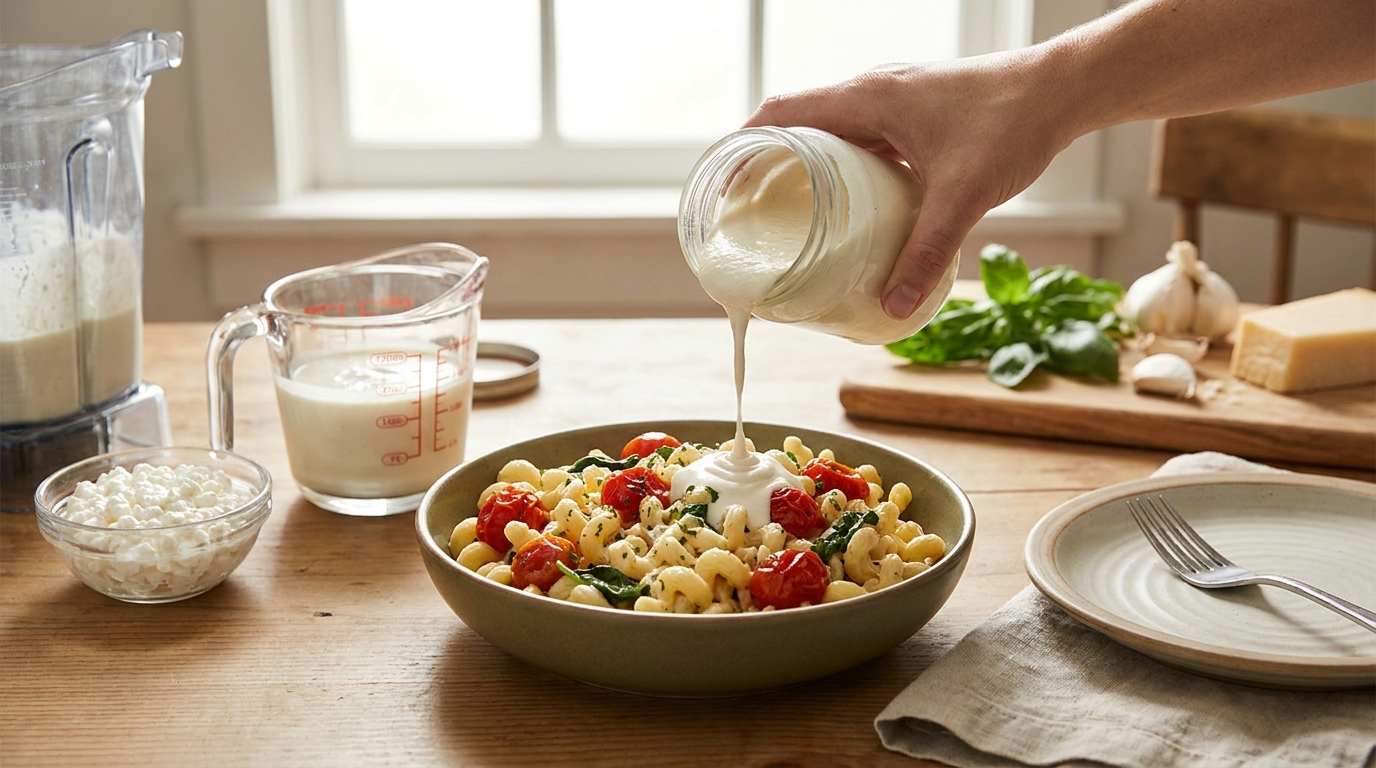
Nutritional Architecture: How Blended Cottage Cheese Delivers 39g of Protein — 15-Minute Cottage Cheese Pasta Sauces Deliver High Protein for Fast Weeknight Dinners

The core framework of this high-protein sauce combines whipped cottage cheese, canned diced tomatoes, and jarred marinara sauce with protein pasta. Hannah Magee, a Registered Dietitian, developed the base to deliver 39 grams of protein per serving when paired with lean ground turkey.

This protein volume supports muscle tissue recovery after exercise and promotes prolonged fullness throughout the evening. The substantial protein density transforms standard pasta from a simple carbohydrate vehicle into an efficient, balanced dinner.

Dietary fiber forms an equally critical component of the recipe’s nutritional architecture. Each serving provides 6 grams of fiber by incorporating diced bell peppers, sliced mushrooms, baby spinach, and two distinct tomato preparations.

Blending vegetables directly into the sauce incorporates essential vitamins and minerals without altering the dish’s comforting profile. Canned diced tomatoes and pasta sauce combine to deepen the savory notes while ensuring an even, rich consistency.

Mechanically, pureeing dairy curds in a standard blender or food processor alters their physical structure. High-speed blending breaks down casein clusters and milk solids into micro-particles, creating a stable, glossy emulsion.

This uniform texture mimics heavy cream or Alfredo sauce without excessive saturated fat. The smooth dairy base integrates cleanly with acidic tomato sauce, producing a velvety coating that clings effectively to pasta.

Dietitian Recommendations and Batch-Prep Logistics

Dietitians emphasize reimagining comfort classics by modifying foundational ingredients rather than cutting out favorite recipes entirely. This method preserves the familiar appeal of creamy baked pasta while improving weekday nutritional value.

Advance meal prep offers a practical safeguard for demanding work weeks, schedule changes, or postpartum recovery. For optimal sauce texture and pasta structure, assembling and freezing the dish unbaked produces the best results.

If home cooks freeze the meal after baking, the dish must cool completely before storage. Sealing it tightly in a freezer-safe container prevents moisture loss and ice crystals that dilute the sauce upon thawing.

Reheating requires controlled temperature management to protect the dairy emulsion. Cooks should defrost the dish overnight in the refrigerator before baking in an oven at 350°F for 30 to 60 minutes.

When preparing a 15-minute stovetop version, heat regulation remains essential. Excessive heat can cause delicate milk proteins to contract rapidly, separating the sauce into thin liquid and gritty solids.

To avoid curdling, cooks should add the pureed cottage cheese over low or gentle medium-low heat. Stirring continuously with a splash of starchy pasta water maintains a glossy, cohesive sauce across every serving.

The Weeknight Squeeze: Comparing DIY 15-Minute Sauces to Delivery Alternatives

The popularity of quick cottage cheese sauces reflects the daily scheduling strains facing modern households. Working parents regularly manage tight dinner windows, cooking fatigue, and unpredictable toddler preferences that disrupt standard meal routines.

Turning to restaurant takeout provides short-term relief, but recurring orders quickly strain family budgets and complicate balanced nutrition. Finding fast, wholesome alternatives at home eliminates the need for expensive delivery orders.

Commercial services have responded directly to this demand for rapid, high-protein weeknight dinners. In 2023, Home Chef launched Tempo, a ready-to-eat meal delivery line focused on chef-crafted, protein-packed recipes that require zero cooking prep.

Services like Tempo publish complete ingredient decks and nutritional details, yet commercial convenience carries recurring financial costs. Prepared meal deliveries start around $11 per serving, which accumulates rapidly across a full household.

In contrast, homemade cottage cheese pasta sauces utilize affordable pantry and refrigerator staples. Home cooks can prepare a fresh, high-protein family dinner in 15 minutes at a fraction of subscription prices.

Seasonal Adaptations and Flavor Variations

Home cooks can easily adapt the basic cottage cheese sauce formula across different harvest seasons. Autumn produce provides simple opportunities to introduce earthy flavors, extra fiber, and vibrant colors to the dairy base.

Seasonal ingredients like pumpkins, beetroot, and assorted root vegetables blend cleanly into savory sauces. Incorporating cooked pumpkin or pureed beetroot adds natural sweetness and micronutrients while keeping grocery costs low.

Pureeing roasted autumn vegetables directly with cottage cheese, garlic, and savory herbs creates a rich seasonal cream sauce. This variation coats hearty pasta shapes evenly and complements a wide variety of lean protein additions.

Using blended cottage cheese as a 15-minute sauce foundation offers a sustainable strategy for everyday home cooking. It effectively bridges the gap between weeknight speed and dense nutritional requirements. By turning basic refrigerated ingredients into a smooth, protein-packed dinner, cooks can achieve their health goals without abandoning fast comfort food.
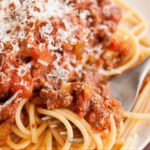


Slow-Cooked Bolognese Sauce

Making a good bolognese sauce is a real labor of love. Sure, you could just add some ground beef to a tomato sauce and call it good (and heck, we often do!), but there’s a certain irresistible silkiness and a deep, meaty flavor that can really only come from all-day cooking. This is a dish that takes a humble package of ground beef and turns it into something worthy of the finest dinner party. Bolognese is that good.

Bolognese

The key to a good bolognese is simmering it very slowly over low heat for several hours. This long simmering makes the beef incredibly tender and turns the sauce into something that will make your eyes roll up in your head. I’ve found it tricky to maintain this kind of gentle simmer on the stovetop, where even the lowest burner can be a bit too high, so a few years ago I started using my slow cooker. Its ability to maintain a low, steady heat for hours is perfect for a dish like this.

If you don’t have a slow cooker, you can duplicate this recipe in a covered Dutch oven in a 300°F oven. Check it every hour for doneness and add more of the reserved tomato juices as needed if the bottom of the pot becomes dry.

I’ll tell you upfront — this isn’t one of those slow-cooker recipes where you can dump everything together and walk away. But the extra work of browning the beef and sautéing the vegetables at the beginning is very much worth it! These steps translate directly into the deep flavor that makes this sauce so irresistible. You can also prepare the beef mixture the night before and finish cooking it with the tomatoes in the slow cooker the next day. Leftovers also freeze well, so go ahead and make a double batch!

Serve this bolognese sauce over spaghetti, layer it into a lasagna (as is traditional), or serve it with any other kind of pasta. I particularly like serving it with rotini or campanelle because the little folds are great for catching bits of sauce. For a gluten-free dish, bolognese is also fantastic scooped on top of polenta.

INGRIDIENTS

1 tablespoon olive oil
1 medium yellow onion, finely chopped
2 celery stalks, finely chopped
1 medium carrot, finely chopped
2 to 3 cloves of garlic, minced
2 tablespoons tomato paste
1 1/2 to 2 pounds ground beef
2 teaspoons kosher salt
1/2 teaspoon dried thyme (or 1 teaspoon fresh thyme)
1/2 teaspoon dried oregano (or 1 teaspoon fresh oregano, minced
1/2 teaspoon pepper
1/8 teaspoon nutmeg
1 cup milk (whole or 2%)
1 cup white or red wine
2 (28-ounce) cans of whole peeled tomatoes
1 bay leaf

To serve:
Spaghetti or other pasta, cooked
Shredded Parmesan cheese

Heat the olive oil in a Dutch oven or large skillet over medium heat. Add the onion, celery, and carrot, and cook until the onion is translucent and all the vegetables have softened, 6 to 8 minutes. Add the garlic and the tomato paste, and cook until the garlic is fragrant, about 30 seconds. (If your skillet isn’t big enough to also accommodate the beef at this point, transfer the vegetables to the slow cooker and continue cooking the beef by itself.)

Add the beef, breaking it apart with your spoon and cooking until it is just browned. Stir in 1 teaspoon salt along with the thyme, oregano, pepper, and nutmeg.

Stir in the milk and bring it to a rapid simmer. Continue simmering until the milk has reduced completely and very little liquid remains, about 10 minutes. Stir in the wine and simmer again until reduced completely, about 10 minutes. Using a slotted spoon, transfer the beef mixture to the bowl of a 6-quart (or larger) slow cooker.

Open the cans of tomatoes and strain through a strainer, reserving the juices. Transfer the tomatoes to the slow cooker, squishing them in your fist or mashing them against the side of the slow cooker to break them down into small pieces.

Add the bay leaf to the slow cooker and stir everything together. The mixture should have a thick, saucy consistency, neither overly soupy or too dry. If it looks dry, mix in a little of the reserved tomato juices until it looks sauce-like. If it looks too soupy, don’t worry about it right now — you can let excess liquid evaporate at the end of cooking.

Cover the slow cooker and cook on LOW for 6 to 8 hours. (See below for oven-cooking instructions.)

In the last half hour of cooking, check the sauce. If it looks soupy, remove the lid to allow any excess liquid to evaporate and reduce the sauce. If it looks a little dry, stir in some of the reserved tomato juices. The finished sauce should be thick and creamy.

Serve the sauce over pasta with Parmesan sprinkled on top, or layer it into a lasagna. Leftovers will keep refrigerated for 5 days or can be frozen for up to 3 months.

Recipe Notes
Oven-cooking instructions: You can duplicate this recipe in a covered Dutch oven. Preheat the oven to 300°F. Prepare the recipe in a Dutch oven, cover the pot, and transfer it to the oven to cook. Cooking time will be 2 to 3 hours — check the sauce every hour to see how it’s coming along and add more of the reserved tomato juices as needed if the bottom of the pot becomes dry.
Doubling the recipe: This recipe freezes so well that I often make a double batch and freeze what I won’t eat right away. Double all the ingredients except for the bay leaf.
Freezing bolognese sauce: Freeze the sauce in individual portions. It’s best to let the portions thaw in the fridge overnight before warming, but frozen bolognese can also be thawed and warmed in a covered pot over very low heat on the stovetop.


All the Recipes from Bean Month 2026: 4 Essential Tips to Cook Heirloom Dry Beans

All the Recipes from Bean Month 2026: 4 Essential Tips to Cook Heirloom Dry Beans

Cooking a full bag of dried legumes often feels intimidating, but discovering all the recipes from Bean Month 2026 makes the process deeply rewarding. Organized by Boonville Barn, the event features a five-week program that guides participants through a single pound of dry beans each week. Every weekly guide introduces a specific bean variety, detailing its regional history, agricultural background, and practical recipes to finish the entire pound across several meals.

Cooking with heritage dry beans delivers far better flavor, silky textures, and superior nutrition than standard canned alternatives. Canned options often rely on firming agents and high sodium that dull natural aromas. In contrast, dried heirloom beans create their own rich cooking broth while tenderizing evenly. Learning how to cook and season these traditional pantry staples will completely transform your weekly dinner routine.

Tip 1: Build Rich Tuscan-Style Stews Around Delicate White Beans (Zolfini and Sorana)

Tip 1: Build Rich Tuscan-Style Stews Around Delicate White Beans (Zolfini and Sorana) — All the Recipes from Bean Month 2026: 4 Essential Tips to Cook Heirloom Dry Beans

Delicate heirloom white beans deserve a gentle cooking method that protects their fragile skins. Italian varieties like Zolfini and Sorana possess exceptionally thin skins and buttery, melt-in-your-mouth interiors. When simmered gently, they absorb savory aromatics and olive oil without rupturing or turning into mush. Vigorous boiling breaks them apart, but a patient simmer yields a plush, velvety pot liquor.

Boonville Barn highlights cooked Zolfini or Sorana beans in a pesto bean salad, noting it was a go-to summer side dish to work through garden basil. To prepare a traditional Tuscan-style minestra or stew, cook your soaked beans in plenty of water with a generous pour of extra-virgin olive oil. Sauté sliced leeks and crushed garlic in a heavy pot until soft and fragrant. Combine the aromatics with the simmering beans and let the stew thicken slowly over low heat.

You can easily adapt this dish to match your dietary needs. Dicing cured pancetta into the aromatic base adds a rich, savory depth that balances the creamy beans. If you prefer a plant-based dinner, skip the pork entirely. Instead, finish the soup with smoked extra-virgin olive oil and coarse sea salt. The smoked oil supplies deep campfire aromatics while keeping the stew entirely vegetarian.

Tip 2: Whip Rosso di Lucca into Creamy Peasant-Style Purees

Tip 2: Whip Rosso di Lucca into Creamy Peasant-Style Purees — All the Recipes from Bean Month 2026: 4 Essential Tips to Cook Heirloom Dry Beans

Dense, full-bodied beans offer the perfect foundation for velvety dips and spreads. Rosso di Lucca is an heirloom Tuscan red bean with distinctive scratchy markings that farmers have cultivated since the nineteenth century. These beans possess a dense, starchy crumb that emulsifies readily when blended. Whipping them with warm cooking liquid and quality fat creates a luscious, cloud-like puree that easily anchors an evening meal.

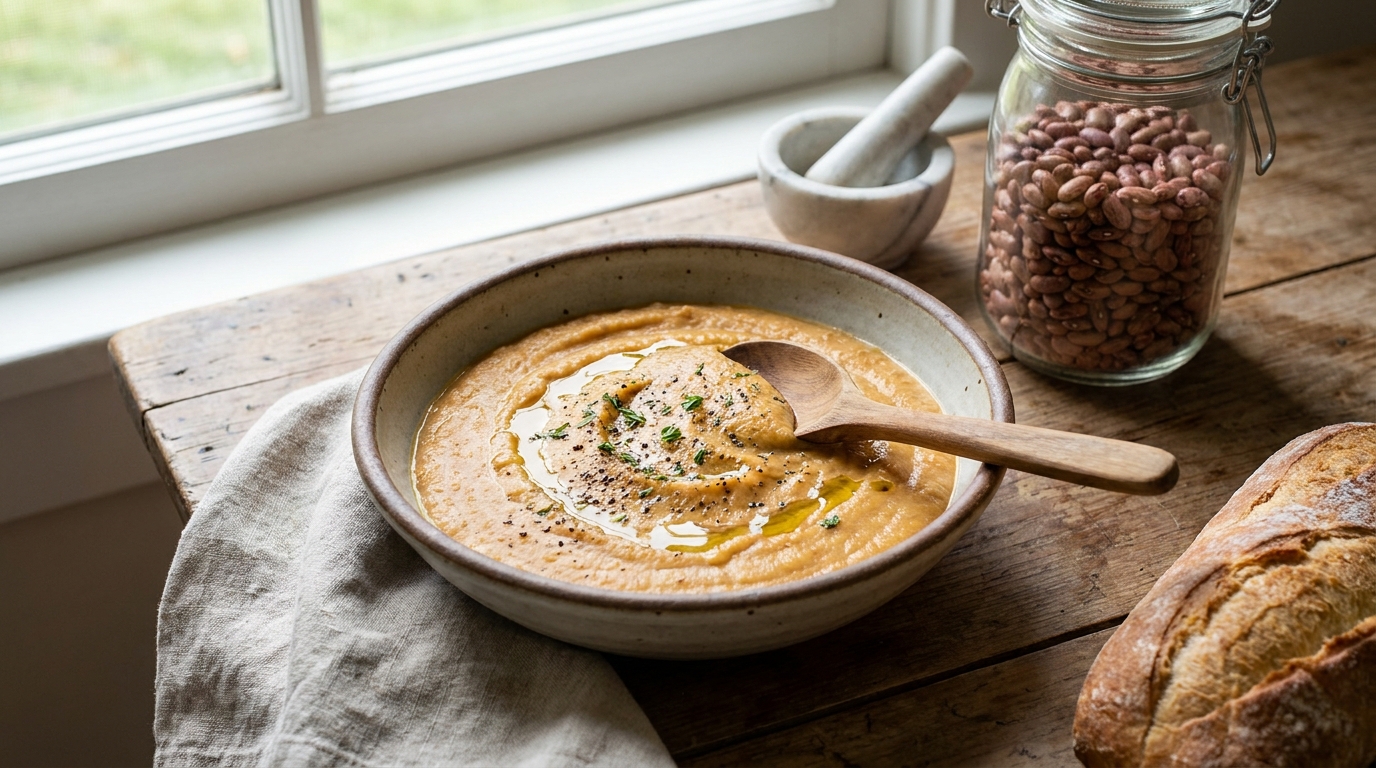
Start by simmering your dried Rosso di Lucca beans until they yield completely under gentle pressure. Drain the beans, but be sure to reserve at least one cup of the nutrient-rich cooking broth. Transfer the warm beans to a food processor with a pinch of sea salt and a steady stream of good olive oil. Splash in enough warm bean broth to achieve a smooth, pourable consistency.

Spread this warm red bean puree across wide shallow bowls as a hearty bed for rustic grains. It pairs wonderfully beneath toasted nutty farro or soft, buttery polenta. For an enticing contrast in textures, scatter crispy fried sage leaves, rosemary sprigs, and freshly cracked black pepper over the top. The crunch of the herbs cuts cleanly through the dense, comforting puree.

Tip 3: Harness Resilient Heirlooms (Southwest Gold and Ancient Tepary)

Hearty regional varieties stand up remarkably well to bold chiles and long cooking sessions. Southwest Gold and ancient Tepary beans maintain firm structural integrity, making them ideal for bold Southwestern dinners. According to Boonville Barn, agricultural breeders developed UC-Southwest Gold to deliver 47% to 60% higher crop yields than heirloom Zuni Gold while preserving vital natural disease resistance.

Southwest Gold beans trace their deep ancestry directly to the traditional Zuni Three Sisters agricultural system. In this sustainable polyculture model, bean vines climb sturdy corn stalks while actively fixing nitrogen into the surrounding soil. Tepary beans boast an even older heritage in North American culinary history. Archaeological findings trace Tepary cultivation back 2,500 years in the Tehuacán Valley of Mexico, proving their extraordinary drought resilience and dependable firm bite.

To prepare these resilient heirlooms, braise them slowly in a Dutch oven with toasted cumin, Mexican oregano, and whole dried chiles. Simmer until the beans are tender but retain their shape. You can control the texture by adjusting how much cooking liquid you reduce. Keep the broth thin for a comforting bowl of brothy beans served with warm tortillas, or simmer it down to a thick, savory chili base.

Tip 4: Stretch Your Grocery Budget with Sheet-Pan Bakes and Brothy Greens

Pantry cooking should be economical, nourishing, and deeply satisfying. Simple pantry staples can produce elegant dinners that help offset grocery bills. In a guide on budget-friendly cooking during economic inflation, Table Magazine highlighted several inventive, low-cost bean meals. Slow-roasting and gentle braising coax immense flavor out of everyday ingredients without requiring expensive specialty meats.

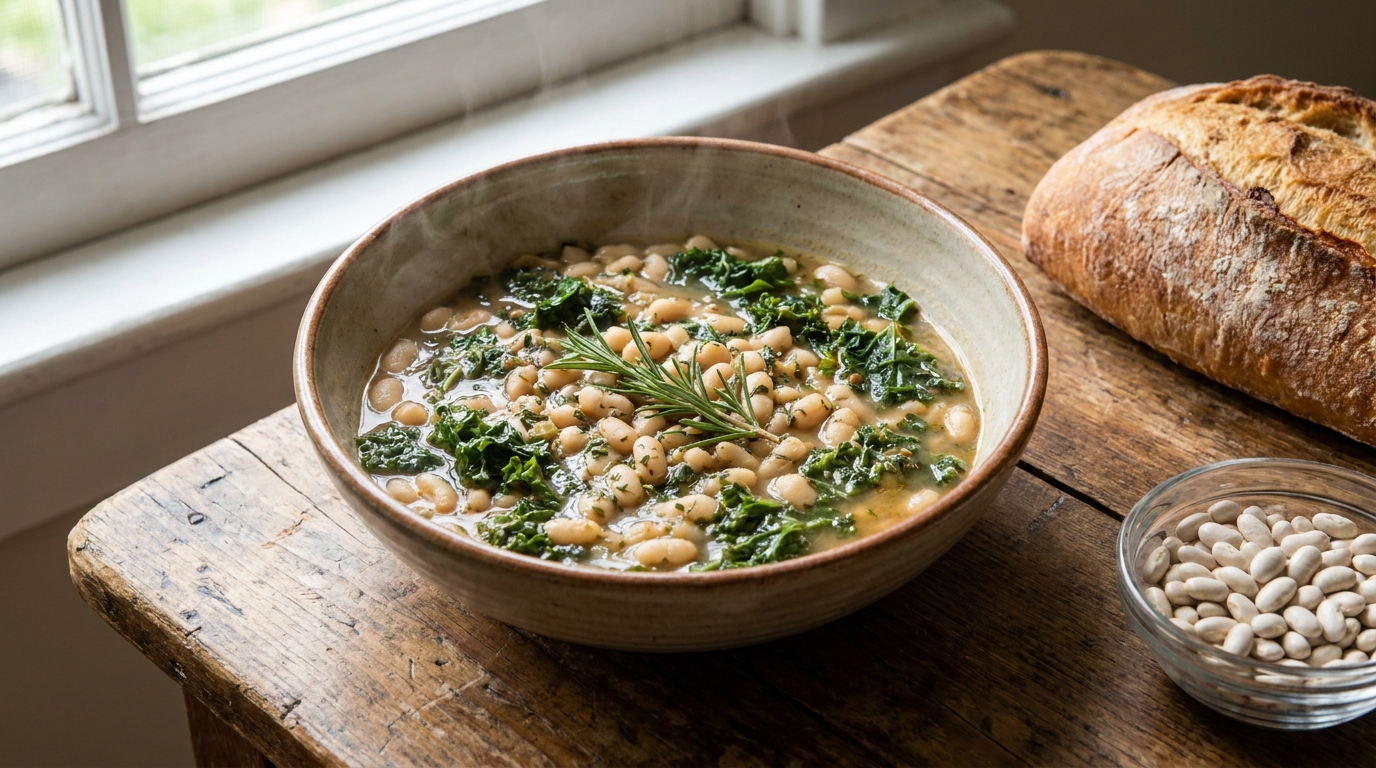
One outstanding technique combines tender cannellini beans and winter greens in a fragrant, brothy pot. Simmer cannellini beans with chopped carrots, garlic, fresh sage leaves, and sweet roasted tomatoes until the flavors meld together. Fold in chopped Tuscan kale during the final ten minutes of cooking so the leaves soften without losing color. Finish each serving with freshly squeezed lemon juice to brighten the rich broth.

Another budget-friendly preparation transforms Greek giant beans into a satisfying main course. Toss plump gigante beans in a rich tomato and onion sauce lightly sweetened with honey. Roast the mixture uncovered in a baking dish until the edges caramelize and the sauce bubbles vigorously. Scatter fresh chopped dill over the top right before serving. The sharp fresh herbs and sweet acidity balance the dense starches beautifully.

Bonus Tips: Elevate Rice and Beans with Warming Global Aromatics

Simple rice and bean bowls can quickly become repetitive during cold winter months. Culinary features from Table Magazine suggest waking up staple grains with bold, unexpected global spices. Adding complex aromatic spice blends transforms ordinary ingredients into warming, restaurant-worthy winter comfort meals.

Take inspiration from Indian culinary traditions by seasoning your pot with Vindaloo curry spices, whole star anise, and a delicate pinch of saffron. To maximize flavor, always bloom your spices in warm olive oil, clarified butter, or ghee for thirty seconds before adding the beans. Blooming extracts fat-soluble aromatic oils from the spices, coating each bean with rich, multi-layered warmth.

Quick Reference: Bean Month 2026 Flavor & Technique Guide

  • Zolfini and Sorana: Simmer slowly in a gentle Tuscan minestra with sweet leeks, minced garlic, and olive oil.
  • Rosso di Lucca: Whip the cooked beans into a silky puree and serve warm over cooked farro or soft polenta.
  • UC-Southwest Gold and Tepary: Braise with roasted cumin, oregano, and dried chiles in a Three Sisters-inspired stew.
  • Greek Gigantes and Cannellini: Roast giant beans with tomato, onion, honey, and dill, or simmer cannellini with kale, roasted tomatoes, and fresh lemon.

What is Bean Month 2026?

Organized by Boonville Barn, Bean Month 2026 is a five-week program that introduces a different heirloom dry bean each week along with history, agricultural background, and multi-meal recipes.

Why use dried heirloom beans instead of canned beans?

Dried heirloom beans offer richer flavor, silkier textures, and natural cooking broth without the added sodium or firming agents commonly found in canned options.

How do you cook delicate white beans like Zolfini and Sorana without breaking them?

Simmer them gently in plenty of water with olive oil and aromatics instead of boiling vigorously, which preserves their thin skins and keeps them from bursting.

Why should you bloom spices before adding them to beans?

Blooming spices in warm fat like olive oil or ghee extracts fat-soluble aromatic oils, coating the beans in deeper, multi-layered warmth.


Why Does Restaurant Food Taste Better Than Homemade?

Why Does Restaurant Food Taste Better Than Homemade?

You follow every step of a recipe, chop fresh ingredients, and simmer the sauce patiently. Yet when you sit down, the dish tastes noticeably flatter than the restaurant food version you loved last weekend. It is a familiar kitchen frustration. You expect a rich, vibrant plate, but your homemade dinner feels ordinary. The difference does not stem from secret culinary magic. Instead, professional kitchens operate with distinct methods, tools, and flavour strategies that home cooks often overlook during everyday dinner prep.

Dining out offers more than just a break from washing dishes. Sitting in a dining room shapes your sensory expectations, making aromas and textures feel more pronounced. Diners have become far more selective with their spending. Because eating out feels like a larger financial commitment, patrons demand meals that truly justify the bill. Professional kitchens respond through deliberate systems. They do not rely on accidental bursts of inspiration. Every sauce, sear, and garnish reflects intentional planning designed to deliver consistent, craveable results.

Table of Contents — Why Does Restaurant Food Taste Better Than Homemade?

The Secret of Elevated Familiarity: Taking Comfort Food Further

When you order a meal out, you likely want something comforting that still surprises your palate. Diners actively look for comfort and familiarity balanced with novel elements. People enjoy familiar recipes balanced by modern adjustments, subtle global accents, or balanced interpretations of rich classics. Food that works on multiple sensory levels satisfies an emotional need for comfort while providing an exciting dining experience.

Chefs build on this desire by refining traditional comfort foods and desserts. Rather than serving a basic dessert, commercial kitchens upgrade nostalgic dishes with unique ingredients, elevated presentation, and complex flavour combinations. As Kelly Cullen, head pastry chef at Cornus, observed, diners want desserts that evoke memories and familiarity while feeling distinct and worthy of choosing.

At home, cooks often stop at standard preparation. You might bake a simple berry crumble or assemble an everyday pasta bake using a single pan. A restaurant kitchen, however, builds deliberate contrast across texture, temperature, and presentation. Line cooks pair crisp toppings with silky, chilled creams or finish a hot braise with crisp, cold herbs. They also arrange plates to engage the eyes before the first forkful. These small, layered details make familiar dishes taste richer and more engaging than standard home renditions.

Depth Over Gimmicks: How Restaurants Build Layered Flavour

Depth Over Gimmicks: How Restaurants Build Layered Flavour — Why Does Restaurant Food Taste Better Than Homemade?

Exceptional kitchen flavour requires more than surface-level novelties. Dining trends across cafes and restaurants show a clear shift past superficial seasonal additions, such as standard pumpkin spice or basic fruit crumbles. Today, diners gravitate toward deeper, multi-dimensional flavour foundations that linger on the palate.

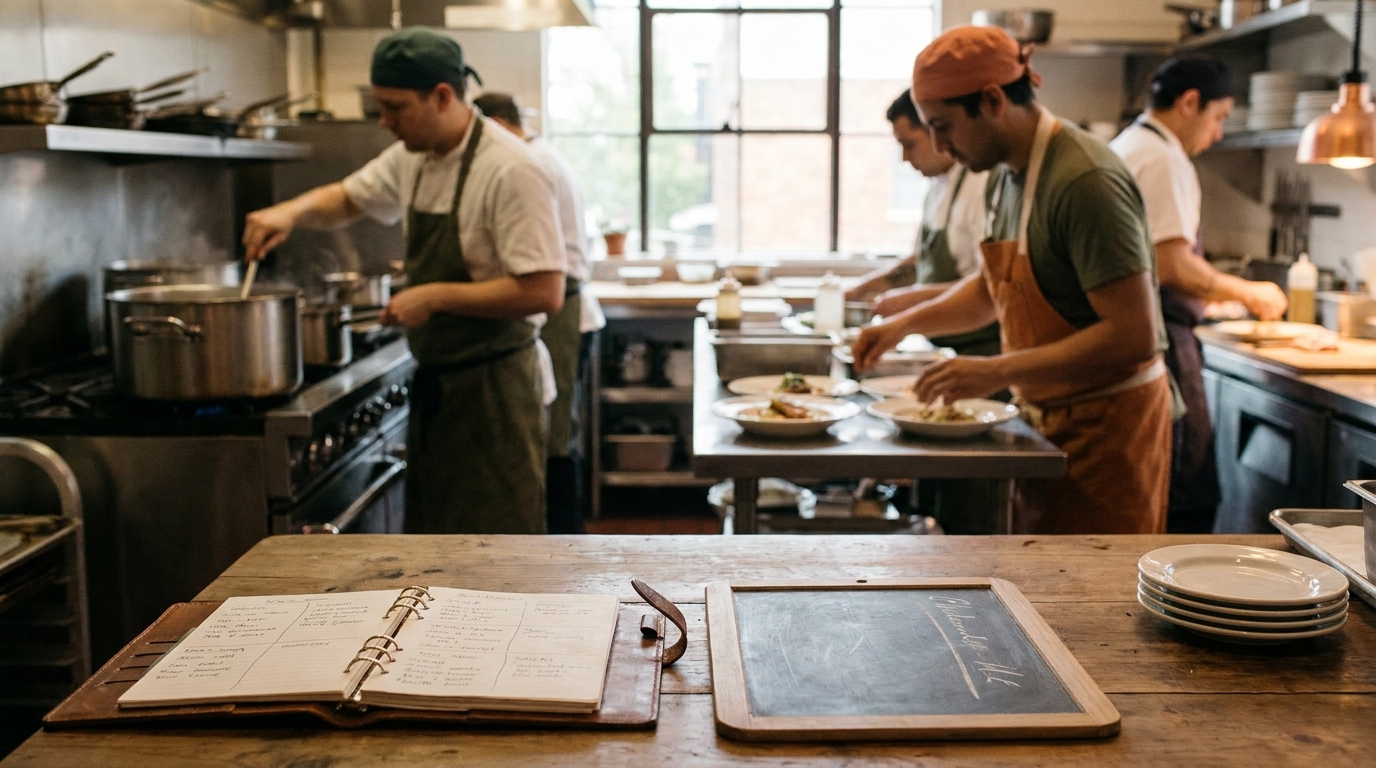
Restaurant cooks develop this depth through foundational culinary techniques. A commercial kitchen routinely reduces stocks to concentrate gelatin, deglazes roasting pans to capture browned bits, and rests proteins so juices redistribute. Professional cooks also balance richness with acidity. When a dish tastes slightly flat, a cook rarely just dumps in extra salt. Instead, they add a splash of vinegar, wine, or citrus juice to lift the heavy fats and make every note pop.

Home cooks frequently season a dish only once, usually at the beginning or end of cooking. In contrast, professional cooks season across multiple stages. Cooks continuously taste and adjust sauces throughout service. By adding salt while sweating aromatics, during simmering, and just before plating, the seasoning penetrates deep into every component rather than sitting loosely on the surface.

Distinctive Ingredients and the Professional Standard

The components inside a restaurant pantry look markedly different from typical supermarket staples. Standout ingredients have the power to transform simple suppers into memorable occasions. Incorporating speciality cheeses, artisan breads, and locally sourced meats provides a rich foundation of flavour that ordinary home pantries rarely supply.

These ingredient standards spread throughout the wider food industry. Trends that start in independent coffee shops, bakeries, and high-street bistros quickly influence consumer expectations in other settings, including workplace dining. As professional dining spaces raise the bar with distinct culinary items, patrons begin to notice how high-grade sourcing transforms an entire meal.

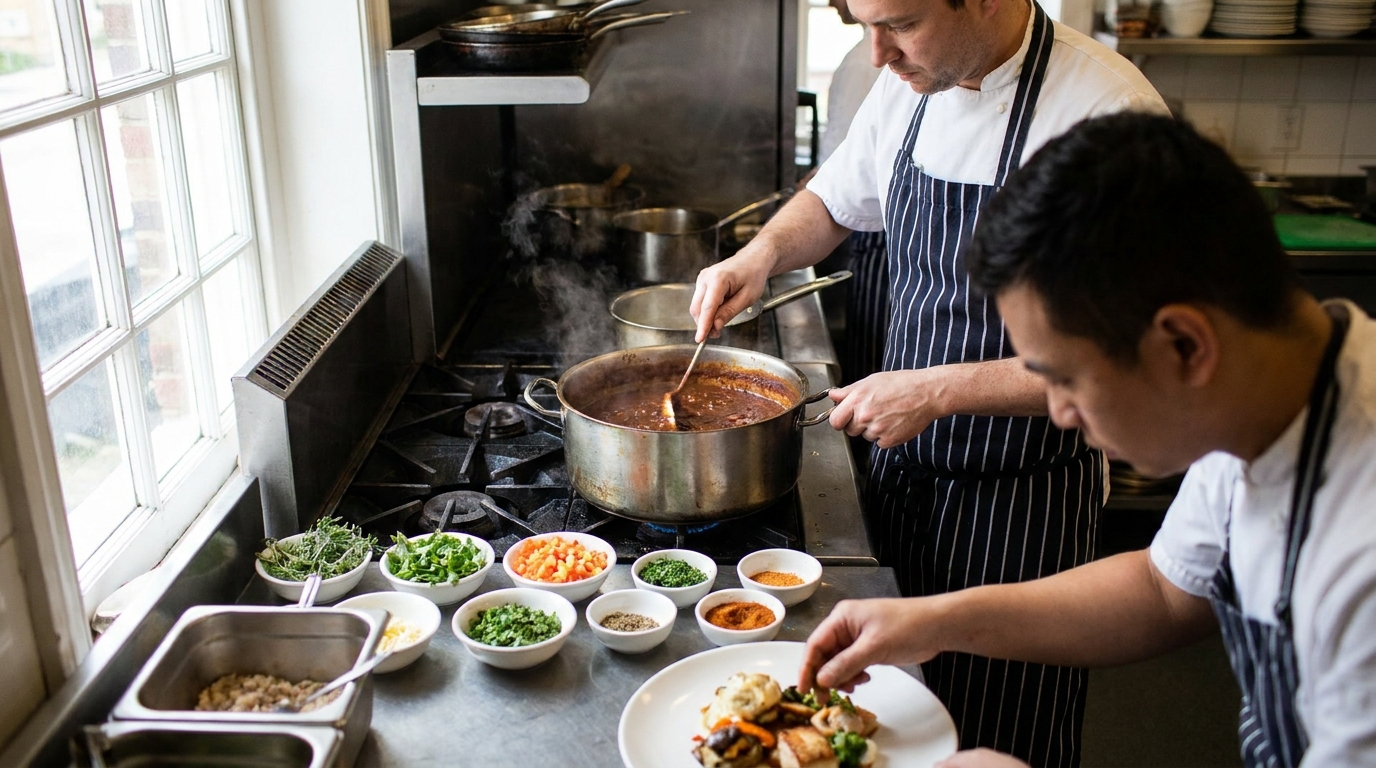
Beyond sourcing, commercial kitchens excel at ingredient handling. Cooks prep ingredients daily through structured mise en place, storing fragile herbs in damp towels and keeping cooking fats at precise temperatures. This careful care protects delicate aromas and prevents ingredient decay. As a result, restaurant vegetables maintain their crisp snap and meats hold optimal juiciness.

The Secret of Elevated Familiarity: Taking Comfort Food Further — Why Does Restaurant Food Taste Better Than Homemade?

How to Bring Restaurant-Calibre Flavour to Your Kitchen

You do not need industrial burners or expensive gadgets to improve your everyday cooking. Home cooks can capture the feeling of restaurant-style dining while managing household budgets. The secret lies in making deliberate ingredient choices rather than overhauling your entire grocery list.

One reliable method is pairing simple home cooking with curated, artisan-made foundations. Independent retailers and quality delis offer wholesome options such as deli-made quiches, prepared pies, savoury soups, and fresh salads. Using these prepared dishes alongside your own staple proteins or grains cuts preparation time and adds convenience without sacrificing quality.

To upgrade your dinners further, apply these fundamental line-cook habits:

  • Season in progressive layers: Add modest pinches of salt at each cooking stage instead of seasoning once at the end.
  • Add finishing fats: Swirl a knob of cold butter or a drizzle of quality olive oil into pan sauces right before serving to create a glossy sheen.
  • Balance fat with acid: Brighten braises, rich soups, and pasta dishes with a dash of fresh lemon juice or sherry vinegar.
  • Focus on clean presentation: Warm your plates, wipe the rims clean, and build height so the food looks inviting.

Elevating Everyday Cooking

The gap between standard homemade food and restaurant-quality dining comes down to intentional technique and thoughtful sourcing rather than unattainable talent. Professional kitchens succeed by layering seasonings, pairing contrasting textures, and selecting standout ingredients. You can easily adapt these methods to your own kitchen counter. Pick one professional technique to practice during your next dinner, and discover how easy it is to elevate simple home meals.

Frequently Asked Questions

Can you achieve restaurant-style meals on a budget?

Yes. You can bring a taste of restaurant dining home on a budget by focusing on a few standout ingredients. Choosing a speciality cheese, artisan loaf, or locally sourced cut of meat elevates simple pantry staples into a memorable supper.

How do prepared deli foods help home cooking?

Wholesome deli items like prepared soups, savoury pies, and fresh salads provide a high-quality shortcut. They save valuable prep time and add convenience while maintaining the flavour standards of a home-cooked meal.


Loaded Vegetable Miso Soup – A Healthy Japanese Comfort Food Recipe

On a cold winter day, nothing feels better than a warm bowl of homemade soup. This Loaded Vegetable Miso Soup is a comforting Japanese-inspired recipe packed with colorful vegetables, rich flavors, and nourishing ingredients.

Traditional miso soup is usually a light side dish made with dashi broth, miso paste, tofu, seaweed, and green onions. This version is heartier and more filling, with plenty of vegetables that make it perfect as a main meal or a satisfying side dish.

Sweet kabocha squash and carrots add natural sweetness, while mushrooms bring an earthy flavor. Fresh kale gives the soup a beautiful green color and a delicious texture. The result is a cozy bowl of soup that is healthy, flavorful, and full of vegetables.

If you cannot find kabocha squash, you can easily replace it with sweet potato. Both ingredients add a creamy texture and balance the salty taste of miso perfectly.

Ingredients

  • ¾ pound kabocha squash (about ¼ of a squash)
  • 1 turnip, peeled
  • 4 cups awase or kombu dashi (homemade or instant)
  • 1 carrot, sliced into thin rounds
  • ½ white or yellow onion, thinly sliced
  • 2 ounces shiitake or oyster mushrooms, sliced
  • 3 lacinato kale leaves, stems removed and torn into small pieces
  • 3 tablespoons miso paste (add more if needed)

Instructions

1. Prepare the vegetables

Cut the kabocha squash into thin slices. You do not need to remove the skin, just cut away any rough parts. Cut the turnip into quarters, then slice into smaller pieces.

Prepare the carrot, onion, mushrooms, and kale.

2. Cook the soup

Add the kabocha squash, turnip, dashi broth, carrot, onion, and mushrooms to a large pot.

Bring the soup to a boil over high heat. Reduce the heat to medium and cook for about 4–6 minutes, until the vegetables become tender.

Add the kale, cover the pot, and cook for another 1–2 minutes until the kale softens.

Remove the pot from the heat.

3. Add the miso

Place the miso paste into a small bowl. Add a little hot broth from the soup and stir until the miso completely dissolves.

Pour the miso mixture back into the pot and stir well.

Taste the soup and add more miso or a little water if needed.

4. Serve

Serve the soup warm immediately. It is perfect for a cold evening, a light lunch, or a healthy dinner.

Storage

Store leftover soup in an airtight container in the refrigerator for up to 1 day.

When reheating, warm it gently over low heat. Avoid boiling the soup because high heat can affect the flavor and quality of the miso.

Cooking Tip

You only need a small part of the kabocha squash for this recipe. To save the rest, remove the seeds, wrap the squash tightly, and keep it in the refrigerator for up to one week.

This Loaded Vegetable Miso Soup is a simple way to enjoy more vegetables while bringing warm Japanese flavors to your kitchen.


Puff Pastry Hand Pies with Apple, Pecan and Honey

This recipe came out of pure instinct rather than measurement: whatever the kitchen offered, combined for maximum aroma and texture. Grated apple brings moisture and freshness, pecans add depth and crunch, honey ties everything together with soft sweetness, while cinnamon and orange zest push the flavor into warm, pastry-shop territory. Wrapped in puff pastry and baked hard and hot, the result is simple, fast, and structurally reliable, with flavor doing all the heavy lifting.

Ingredients

  • Puff pastry, rolled out
  • Apple, finely grated
  • Pecans, roughly chopped
  • Honey
  • Cinnamon
  • Dried orange zest, finely ground or grated
  • Raisins
  • Egg for brushing (optional)
  • Powdered sugar for dusting (optional)

Approximate ratios

  • 1 large apple
  • 40–60 g pecans
  • 1.5–2 tbsp honey
  • ½–1 tsp cinnamon
  • ½ tsp dried orange zest
  • 2 tbsp raisins

Method

  1. Finely grate the apple and gently squeeze out excess juice.
  2. Mix in pecans, honey, cinnamon, orange zest and raisins. The filling should be moist, not runny.
  3. Roll out the puff pastry on a lightly floured surface.
  4. Spread the filling over the pastry, leaving the edges clear.
  5. Fold, seal the edges with a fork, and cut into portions, or leave as one strudel-style piece and score the top.
  6. Brush with beaten egg if you want a deeper golden color.
  7. Bake at 190–200 °C (375–390 °F) for 18–25 minutes, until deeply golden and crisp.
  8. Let cool briefly and dust with powdered sugar if desired.

Result
Crisp, flaky layers with caramelized apple, nutty depth from pecans, warm cinnamon, bright citrus notes, and natural sweetness from honey. Balanced, aromatic, not overly sweet.


7 Essential Kitchen Tips for Effortless Cooking

Are you tired of spending excessive time in the kitchen, struggling with disorganization and inconsistent results? Whether you’re a novice cook or a seasoned chef, these seven essential kitchen tips will revolutionize your culinary experience. From smart organization to precise measurements, these tips will not only enhance your cooking skills but also make the entire process more enjoyable. Let’s dive in!

Tip 1: Craft a Thoughtful Grocery List

Before you embark on your culinary journey, take a few minutes to plan your meals and create a comprehensive grocery list. This step is a game-changer, as it saves you from last-minute trips to the store and the stress of forgetting key ingredients. Stick to your list to avoid impulse purchases and stay within your budget. A well-planned grocery list is the foundation of efficient cooking.

Tip 2: Embrace the Power of Sharp Knives

A sharp knife is not only a tool; it’s a safety measure and an efficiency booster. Dull knives can slip, leading to accidents, and they require more force to cut, causing frustration and imprecise cuts. Invest in quality knives and keep them honed regularly. Your prep work will become quicker, safer, and more enjoyable with the right tools at hand.

Tip 3: Organize Your Kitchen Space

Imagine cooking in a clutter-free kitchen where everything is within easy reach. Organizing your kitchen not only reduces stress but also accelerates your cooking process. Create designated areas for utensils, pots, pans, and commonly used ingredients. A well-organized kitchen ensures that you can effortlessly locate what you need, streamlining your cooking experience.

Tip 4: Harness the Precision of a Kitchen Scale

Cooking is as much science as it is art, and accurate measurements are crucial for successful dishes. A kitchen scale is a must-have tool, especially when baking. Whether you’re measuring flour, spices, or portions of meat, a scale ensures consistency and replicable results. Say goodbye to guesswork and elevate your cooking with precise measurements.

Tip 5: Extend Freshness by Properly Storing Vegetables

Maximize the shelf life of your vegetables by storing them correctly. Some veggies thrive in the refrigerator, while others fare better outside at room temperature. Learn which vegetables prefer humidity and which need to breathe. Proper storage not only reduces waste but also maintains the flavors and nutrients of your produce.

Tip 6: Preheating – A Small Step for Better Results

When using the oven or stovetop, preheating is often overlooked but tremendously impactful. Preheating your oven ensures even cooking, while preheating pans prevents food from sticking. This simple step sets the stage for perfectly cooked meals and prevents undercooked or unevenly cooked dishes. Patience pays off – let your cooking surfaces reach the desired temperature before you start cooking.

Tip 7: Master the Art of Seasoning with Salt

Salt is a magical ingredient that enhances flavors and brings your dishes to life. However, the key is moderation and precision. Too little salt leaves your dish bland, while too much overwhelms the palate. Taste as you go and gradually add salt to achieve the perfect balance. Remember, it’s easier to add more salt than to fix an overly salty dish.

Incorporating these seven kitchen tips into your culinary routine will undoubtedly elevate your cooking skills and transform your experience in the kitchen. From efficient organization to precise measurements, these strategies empower you to create delicious meals while minimizing stress and maximizing enjoyment. Happy cooking!


Lemon Herb Roasted Potatoes

This lemon-herb roasted potato is absolutely delightful, made with olive oil, melted butter, garlic, lemon juice, herb and honey. Yes, honey. Roasted potatoes are usually savory but I love honey. I love honey in my food, and adding a bit of honey really makes the potatoes so much more delicious as the bottom part of these roasted potatoes became caramelized, ahhh, heavenly.

To make sure that your roasted potatoes get the amazing flavors of the herb and lemon, slice each potato horizontally like hasselback potatoes, but without cutting through. Every slice is coated with the buttery, garlicky flavor.

Lemon Herb Roasted Potatoes

Active time to make this dish is about 15 minutes and the rest is oven roasting time. Prep it, sit down in front of TV, watch a show, or catch the news, and this side dish will be ready. Just look at these golden-hued and glossy looking roasted potatoes, they might well be the best roasted potatoes recipe you’ve ever attempted at home!

Ingredients:

1 pounds baby potatoes

Oil Mixture:

1/4 cup olive oil
2 tablespoons melted butter
3 cloves garlic, minced
1 tablespoon chopped Italian parsley leaves
1 tablespoon lemon juice
1 tablespoon honey
Scant 1/4 teaspoon salt
3 dashes ground black pepper

Method:

Preheat oven to 350F. Cut slits on the potatoes, do not cut through. Mix all ingredients in the Oil Mixture together.

Place the potatoes in a roasting pan and brush with the Oil Mixture. Make sure to brush inside the slits of the potatoes. Save some for basting.

Roast the potato for 1 hour, basting the oil mixture at 30 minute interval using the remaining Oil Mixture. Serve immediately after roasting.

Lemon Herb Roasted Potatoes


Common brownie baking mistakes and how to avoid them

Brownies are one of the most beloved desserts—rich, chocolatey, and perfectly chewy. But achieving that perfect batch isn’t always easy. The image below demonstrates how simple ingredient adjustments can drastically change the texture, appearance, and taste of your brownies. Let’s break down these common mistakes and how to fix them.

1. Too Much Flour

Adding too much flour makes the brownies dense, dry, and crumbly. To avoid this, always measure flour accurately using the spoon-and-level method rather than scooping directly from the bag.

2. Too Little Flour

Not enough flour results in brownies that are too soft and fragile, often cracking on top. Flour provides structure, so ensure you’re using the right amount for a balanced texture.

3. Too Much Butter

Excess butter leads to greasy brownies that don’t hold their shape well. Stick to the recipe’s butter ratio to maintain the right balance between moistness and structure.

4. Too Little Sugar

Sugar isn’t just about sweetness; it also affects texture and moisture. Too little sugar can make brownies dry and less rich in flavor. If you’re reducing sugar, do so cautiously to maintain the right consistency.

5. Too Much Sugar

Adding too much sugar can result in overly sticky brownies that don’t set properly. It can also create a crystallized, crunchy top rather than the desired delicate crust.

6. Too Little Butter

Without enough butter, brownies become tough and dry. Butter is key to that luscious, fudgy texture, so cutting back too much can ruin the final result.

7. Extra Egg

More eggs make brownies cakier and firmer. If you prefer a dense, chewy brownie, stick to the recommended number of eggs in your recipe.

8. No Egg

Eggs act as a binder, and without them, brownies can turn out crumbly and fall apart. If you need an egg substitute, consider alternatives like mashed bananas, applesauce, or flaxseed mixed with water.

9. Baking Soda

Brownie recipes typically don’t require baking soda or baking powder because they are meant to be dense and fudgy. Adding baking soda makes them puff up, leading to an airy, cracked surface that resembles cake more than brownies.

Final Tips for Perfect Brownies:

  • Use high-quality chocolate and cocoa powder for the best flavor.
  • Follow measurements precisely—baking is a science!
  • Don’t overmix the batter; mix just until combined.
  • Keep an eye on baking time; overbaking dries out brownies.
  • Let brownies cool completely before cutting for cleaner slices.

By avoiding these common mistakes, you’ll be on your way to making perfect brownies every time. Happy baking!


Crunchy Chicken Salad

This crunchy chicken ramen salad is the perfect mix of sweet, tangy, and savory flavors. With toasted noodles, fresh coleslaw, and a quick homemade dressing, it’s a simple dish that delivers big taste in every bite.

Ingredients:

3 tablespoons butter or margarine
1 package (3 ounces) Oriental-flavor ramen noodle soup mix
2 tablespoons sesame seed
1/4 cup sugar
1/4 cup white vinegar
1 tablespoon vegetable oil
1/2 teaspoon pepper
2 cups cut-up cooked chicken
1/2 cup dry-roasted peanuts
4 medium green onions, sliced (1/4 cup)
1 bag (16 ounces) coleslaw mix

Directions:

1. Melt butter in 10-inch skillet over medium heat. Stir in seasoning packet from noodles. Break block of noodles into bite-size pieces over skillet; stir noodles into butter mixture. Cook 2 minutes, stirring constantly; stir in sesame seed. Cook about 2 minutes longer, stirring constantly, until noodles are golden brown.

2. Mix sugar, vinegar, oil and pepper in large bowl. Add remaining ingredients and noodle mixture; toss.

Expert Tips:
– Keep your salad crunchy by tossing in the noodles just before serving.
– Precooked frozen chicken from the meat department is a great thing to have on hand for ready-to-go recipes like this.
– For extra flavor and color, stir in an 11-ounce can of mandarin orange slices, drained.


How to peel and cook potatoes if you are lazy

In the age of social media, TikTok has become a hub for discovering clever life hacks that make everyday tasks easier. One such hack, shared by popular TikTok creator AliaIn13, shows a genius way to peel and cook potatoes effortlessly—perfect for those who are feeling a bit lazy.

This hack is a game-changer for anyone looking to save time in the kitchen. Thanks to AliaIn13, peeling and cooking potatoes has never been easier. 🙂


Asparagus Soup

Asparagus is one of my favorite vegetables. It’s so flavorful and versatile, and generally easy to prepare. But you’ll want to make sure you cook it properly so that it retains its color and texture. Basically, you want to avoid overcooking it.

Prep Time: 10 minutes
Cook Time: 20 minutes
Total Time: 30 minutes

INGREDIENTS
1 pound fresh asparagus
1 medium Russet (or other starchy) potato
2 Tbsp unsalted butter
1 medium onion, peeled and roughly chopped
1 clove garlic, peeled and crushed
1/2 cup dry white wine
1 qt vegetable, chicken or veal stock
Kosher salt and ground black pepper, to taste
2 Tbsp chopped fresh thyme leaves
1/4 cup hot cream

To my mind, there are two types of asparagus: skinny, and fat. Both are good, but it depends on what you’re using them for.

There are so many ways to use fresh asparagus when it’s in season, and this classic cream of asparagus soup is one of my favorites. I like to use fresh thyme in the soup, but fresh tarragon or chives would also be really good.

PREPARATION
Trim about an inch off the bottoms of the asparagus stalks. Then peel the asparagus (with a potato peeler) from about two inches below the tips all the way down to the ends. Cut the asparagus into about inch-long pieces. Reserve about ¾ cup of cut asparagus pieces, including a few tips. Peel the potato and cut it into 1-inch chunks.

asparagus-soup-1500

In a heavy-bottomed soup pot, heat the butter over low-to-medium heat. Add the onion, garlic and asparagus and cook for 2-3 minutes or until the onion is slightly translucent, stirring more or less continuously. Add the wine and cook for another minute or two or until the wine seems to have reduced by about half.

Add the stock and the potato. Increase the heat to medium-high and bring to a boil. Then lower the heat and simmer for 10 minutes. Then add the asparagus and cook for another 5 minutes, or until the potatoes are soft enough that they can easily be pierced with a knife.

Remove the soup from heat and purée in a blender, working in batches if necessary.
Meanwhile, sauté the reserved asparagus in a little bit of butter for about 5 to 6 minutes, just until tender but so that they still have a slight crunch to them. Set aside.

Return the puréed soup to the pot along with the fresh thyme and bring to a simmer again, adding more broth or stock to adjust the thickness if necessary. Stir the hot cream into the soup, and season to taste with Kosher salt.

Ladle the soup into individual bowls. Garnish with the sautéed asparagus pieces, season to taste with freshly ground black pepper and serve right away.
Makes about 1½ quarts (6 8-oz. servings) of asparagus soup.


Roasted Cauliflower

When roasted cauliflower is transformed from vegetable wallflower to attractive life of the party. This vegetarian recipe is straightforward, healthful and simple…


Ingredients:

1 head cauliflower leaves trimmed and end of the core removed
2 tablespoons olive oil
1 teaspoon ground turmeric
1 teaspoon kosher salt
¼ teaspoon freshly cracked black pepper

The key to preparing this dish how you handle the cauliflower – it’s important to cut it in cross-sections rather than florets. Adding turmeric gives you golden cauliflower with lovely brown edges. And both turmeric and olive oil have anti-inflammatory properties, which make this recipe even better for people with multiple sclerosis.

Preparation
1. Preheat the oven to 450°F.

2. Cut the cauliflower in half, from top to bottom. Cut each half from top to bottom in half-inch cross sections, resulting in a mixed bag of whole cauliflower “steaks” and flat florets. This is one of the very few cases where it’s OK to cut a vegetable into different sizes because the width will be more or less the same whether you have a whole “steak” or smaller pieces.

3. Transfer the cauliflower to a baking sheet large enough to accommodate all the pieces with a little space to spare, or use two baking sheets, or cook in two batches.

4. In a small bowl or measuring cup, combine the olive oil, turmeric, salt and pepper. Use a fork or whisk to combine well. Drizzle the spiced olive oil over the cauliflower. Use your best tools (your clean hands) to coat the florets, covering them completely.

5. Place the baking sheet(s) in the center of the oven and roast for 20 to 30 minutes, rotating the baking sheet halfway through to ensure even browning. The cauliflower should be a beautiful yellow color from the turmeric and nicely browned on the edges from the caramelization.


Fried Cabbage with Bacon, Onion and Garlic

bacon cabbage

Ingredients

6 slices bacon, chopped
1 large onion, diced
2 cloves garlic, minced
1 large head cabbage, cored and sliced
1 tablespoon salt, or to taste
1 teaspoon ground black pepper
1/2 teaspoon onion powder
1/2 teaspoon garlic powder
1/8 teaspoon paprika

Directions

Place the bacon in a large stockpot and cook over medium-high heat until crispy, about 10 minutes. Add the onion and garlic; cook and stir until the onion caramelizes; about 10 minutes. Immediately stir in the cabbage and continue to cook and stir another 10 minutes. Season with salt, pepper, onion powder, garlic powder, and paprika. Reduce heat to low, cover, and simmer, stirring occasionally, about 30 minutes more.


E-book – 101 Food, Fruit and Kitchen Hacks

If you’re an avid cook like me, then you are always on the look out for tips and shortcuts that speeds up meal preparation or saves you time in the kitchen. These hacks will help you do just that. The tips are categorized into 8 categories.

delicious food cover ebook


For more information and download, click here


Spinach, Basil, and Feta–Stuffed Chicken Rolls with Pignoli

Pignoli are another name for pine nuts, those small, white, oval-shaped nuts that are actually the edible seeds of pines and are in demand because of the popularity of pesto. Here they add just a touch of flavor, texture, and visual interest to these delicious fetastuffed chicken rolls, which boast a ton of nutrition from the spinach (iron, calcium, magnesium) and the kalamata olives (healthy plant chemicals called polyphenols). The lean chicken and feta cheese make this a high-protein dish.

Ingredients:
Olive oil cooking spray
6 boneless, skinless chicken breast halves
8 ounces (225 g) feta cheese, crumbled
4 cups (120 g) chopped baby spinach
1⁄4 cup (10 g) chopped fresh basil
1⁄4 cup (25 g) finely chopped pitted kalamata olives
4 cloves garlic, minced
2 teaspoons olive oil
1⁄2 teaspoon each salt and freshly ground pepper
1 can (14.5 ounces, or 406 g) diced tomatoes with garlic and basil, undrained
1⁄4 cup (34 g) toasted pine nuts

Preparation:
Lightly spray the insert of a slow cooker with olive oil and set aside.
Place each chicken breast between two sheets of waxed paper and use a
meat mallet to pound them to about 1⁄4-inch (6 mm) thickness; lay them out
flat. In a medium-size bowl, combine the feta, spinach, basil, olives, garlic, and olive oil and mix well.

Lightly and evenly sprinkle each chicken breast with salt and pepper.
Dividing the spinach and feta mixture by 6, spoon an equal measure onto
the wider end of each breast and roll it up. Lay the rolls close together, seam
sides down, in the slow cooker insert and pour the diced tomatoes evenly
over all. Cover and cook on high for about 4 hours, or on low for 5 to
6 hours, until the chicken is cooked through. Garnish with the pine nuts
to serve.


Tuna And Egg Salad

Minutes to Prepare: 30
Number of Servings: 8

Ingredients
12 oz of tuna packed in water
4 hard boiled eggs
3 tbs of light mayonnaise
2 tbs of prepared yellow mustard
Dash of pepper

Salt may be added but there should be enough salt in the canned tuna.

Tip
Add celery and red onion for a healthy crunch!

Directions
Boil 4 eggs. Chop up hard boiled eggs into a mixing bowl. Mix eggs with all other ingredients.

Use on a bed of lettuce or a sandwich.
1 serving = 1/4 cup (enough for a sandwich)

Tuna & Egg Salad


Delicious, Luscious, Leanest Lamb Chops

Lamb is not only an excellent source of high quality protein, but it’s also a good source of iron and B vitamins. And lamb provides about 45 percent of the daily requirement for zinc, essential for growth, healing, and a healthy immune system. (Plus the zinc and iron found in lamb are easily absorbed by the body.) Half the fat in lamb is unsaturated, and most of that is monounsaturated — the same kind found in olive oil and so prominent in the Mediterranean diet. The loin chop is the leanest, and in this recipe, the slow cooker blends the flavors of the onion and fresh herbs beautifully with the rich taste of the meat. This dish also has a lovely finishing kick of balsamic vinegar.

Ingredients:
1 large yellow onion, sliced and separated into rings
2 tablespoons (30 ml) balsamic vinegar
2 tablespoons (30 ml) chicken broth or water
1 tablespoon (14 g) unsalted butter, melted
1 tablespoon (11 g) Dijon mustard
2 cloves garlic, minced
1 tablespoon (1.7 g) minced fresh rosemary (or 1 teaspoon dried)
1 tablespoon (2.4 g) minced fresh thyme (or 1 teaspoon dried)
1 ⁄2 teaspoon dried oregano
1 ⁄2 teaspoon each salt and freshly ground pepper
8 loin lamb chops
Fresh mint leaves, for garnish (optional)

Preparation:
Layer the onion rings in the bottom of the slow cooker. Pour the vinegar, broth, and butter over all. In a small bowl, combine the mustard, garlic, rosemary, thyme, oregano, salt, and pepper and stir to combine. Rub the mixture evenly over the lamb chops and lay the chops over the onions. Cover and cook on low for 4 to 6 hours, until the lamb is cooked to the desired doneness. Remove the chops and stir the onions and juices before serving. Garnish with the mint, if using.


Chicken Pasta Salad

Elevate your mealtime with our delightful Chicken Pasta Salad. Bursting with flavors, this dish brings together tender chicken, al dente pasta, and crisp vegetables in perfect harmony. Whether it’s lunch, dinner, or a potluck gathering, this recipe is a surefire hit. Let’s explore the art of crafting this sensational dish!

Ingredients:

2 boneless chicken breasts

3/4 cup steak sauce

1 (12 ounce) package fussili or bowtie pasta

2 chicken bouillon cubes

1 medium Vidalia onion, diced

2 avocados, peeled and diced

1 cup halved cherry tomatoes

1 cup blue cheese or ranch salad dressing

Preparation:

Marinate chicken breasts in steak sauce for 15 to 60 minutes. Grill until done and chop into bite−size pieces. In a large pot of boiling water, add the bouillon cubes and cook pasta until al dente. Drain and rinse under cold water.

In a large bowl, combine chicken, pasta, onion, avocados and tomatoes. Add salad dressing, mix and refrigerate until chilled. Stir in additional salad dressing when ready to serve, if desired


Fast Food Calories

Fast Food Calories

Despite the many gimmicks, fad diets and seemingly infinite sources of bad information, the single biggest factor in weight control is calories. More specifically, the relationship between how many calories your body burns per day and how many calories you consume (as in eat or drink) per day. What I mean is…

Consuming more calories than you burn = weight gain
Burning more calories than you consume = weight loss
Consuming and burning the same number of calories = weight maintenance

So, if you currently have weight to lose or just want to prevent yourself from ever having weight to lose, the most important and all around useful thing you can do diet-wise is pay attention to your calorie intake.

The thing is, one of the most common food choices for the average person is fast food. That’s a fact. And, as if this is going to be a shock to anyone on the planet, fast food is one of the worst high calorie offenders. That’s another fact. The combination of these two facts is… well… not-so-good.

Now, while I can’t stop fast food restaurants from selling foods that are laughably high in calories, and I certainly can’t stop people from eating fast food (it’s convenient, cheap and yummy, I know), what I can attempt to do is assist in the making of better choices. Or, in this case, prevent the making of the worst ones.

To do this, I went through the nutrition facts of literally every single item from the menus of 25 popular fast food restaurants (full list of included restaurants can be found at the end of this) to put together a list of what ended up being the 272 Fast Food Items Highest In Calories. Here we go…

Fast Food Items With 1000+ Calories

  1. White Castle Chocolate Shake – Large (Louisville region)

    Calories: 1680

  2. Nathan’s Fish N Chips

    Calories: 1537

  3. Carl’s Jr. Double Six Dollar Burger

    Calories: 1520

  4. Hardee’s Monster Thickburger

    Calories: 1420

  5. Dairy Queen Large Choc. Chip Cookie Dough Blizzard

    Calories: 1320

  6. Hardee’s Double Bacon Cheese Thickburger

    Calories: 1300

  7. Dairy Queen Large Chocolate Malt

    Calories: 1300

  8. Nathan’s Chicken Tender Platter

    Calories: 1300

  9. Jack In The Box OREO Cookie Ice Cream Shake (24oz)

    Calories: 1290

  10. Dairy Queen Chicken Strip Basket (6 piece)

    Calories: 1270

  11. Hardee’s Double Thickburger

    Calories: 1250

  12. Burger King TRIPLE WHOPPER Sandwich With Cheese

    Calories: 1230

  13. Jack In The Box Chocolate Ice Cream Shake (24oz)

    Calories: 1230

  14. White Castle Chocolate Shake – Large (New Jersey region)

    Calories: 1230

  15. Hardee’s Big Country Breakfast Platter – Breaded Pork Chop

    Calories: 1220

  16. Jack In The Box Strawberry Ice Cream Shake (24oz)

    Calories: 1220

  17. Jack In The Box Egg Nog Shake (24oz)

    Calories: 1210

  18. Nathan’s FRENCH FRIES (SUPER SIZE)

    Calories: 1188

  19. White Castle Vanilla Shake – Large (New Jersey region)

    Calories: 1180

  20. Del Taco Macho Beef Burrito

    Calories: 1170

  21. McDonald’s Chocolate Triple Thick Shake (32oz)

    Calories: 1160

  22. Hardee’s Big Country Breakfast Platter – Country Steak

    Calories: 1150

  23. McDonald’s Deluxe Breakfast (Large Size Biscuit) w/o Syrup & Margarine

    Calories: 1140

  24. Carl’s Jr. Guacamole Bacon Six Dollar Burger

    Calories: 1140

  25. Hardee’s Big Country Breakfast Platter – Chicken

    Calories: 1140

  26. White Castle Vanilla Shake – Large (Cincinnati region)

    Calories: 1140

  27. Burger King TRIPLE WHOPPER Sandwich

    Calories: 1130

  28. White Castle Chicken Rings (20)

    Calories: 1130

  29. White Castle Chocolate Shake – Large (Cincinnati region)

    Calories: 1130

  30. Carl’s Jr. Western Bacon Six Dollar Burger

    Calories: 1130

  31. Dairy Queen Large Chocolate Shake

    Calories: 1130

  32. Jack In The Box Bacon ‘n’ Cheese Ciabatta Burger

    Calories: 1120

  33. Jack In The Box Sirloin Bacon ‘n’ Cheese Burger

    Calories: 1120

  34. McDonald’s Vanilla Triple Thick Shake (32oz)

    Calories: 1110

  35. McDonald’s Strawberry Triple Thick Shake (32oz)

    Calories: 1110

  36. Del Taco Macho Nachos

    Calories: 1100

  37. Jack In The Box Bacon Ultimate Cheeseburger

    Calories: 1090

  38. White Castle Fish Nibblers – Sack

    Calories: 1090

  39. White Castle Strawberry Shake – Large (Minneapolis region)

    Calories: 1090

  40. White Castle Vanilla Shake – Large (Nashville region)

    Calories: 1090

  41. White Castle Chocolate Shake – Large (Nashville region)

    Calories: 1090

  42. McDonald’s Deluxe Breakfast (Reg. Size Biscuit) w/o Syrup & Margarine

    Calories: 1070

  43. Jack In The Box Sirloin Cheese Burger

    Calories: 1070

  44. Carl’s Jr. Bacon Cheese Six Dollar Burger

    Calories: 1070

  45. Hardee’s Six Dollar Burger

    Calories: 1060

  46. Hardee’s Big Country Breakfast Platter – Sausage

    Calories: 1060

  47. Del Taco Macho Combo Burrito

    Calories: 1050

  48. Jack In The Box Vanilla Ice Cream Shake (24oz)

    Calories: 1050

  49. Dairy Queen Large Reese’s Peanut Butter Cup Blizzard

    Calories: 1050

  50. Del Taco Macho Bacon & Egg Burrito

    Calories: 1030

  51. Dairy Queen FlameThrower GrillBurger (1/2lb)

    Calories: 1030

  52. Dairy Queen Chicken Strip Basket (4 piece)

    Calories: 1030

  53. Dairy Queen Medium Choc. Chip Cookie Dough Blizzard

    Calories: 1030

  54. Hardee’s Grilled Sourdough Thickburger

    Calories: 1030

  55. White Castle Chocolate Shake – Large (New York region)

    Calories: 1020

  56. White Castle Strawberry Shake – Large (Columbus & Detroit regions)

    Calories: 1010

  57. Jack In The Box Ultimate Cheeseburger

    Calories: 1010

  58. Sonic Peanut Butter Shake – Large (20oz)

    Calories: 1010

  59. Carl’s Jr. Original Six Dollar Burger

    Calories: 1010

  60. Burger King BK Quad Stacker

    Calories: 1000

  61. Arby’s Meatball Toasted Sub

    Calories: 1000

  62. Dairy Queen Large Oreo Cookies Blizzard

    Calories: 1000

  63. Boston Market Boston Sirloin Dip Carver

    Calories: 1000

Fast Food Items With 900-999 Calories

  1. Burger King DOUBLE WHOPPER Sandwich with Cheese

    Calories: 990

  2. Sonic Chocolate Cream Pie Shake – Large (20 oz)

    Calories: 990

  3. Dairy Queen Large Strawberry CheeseQuake Blizzard

    Calories: 990

  4. White Castle Vanilla Shake – Large (New York region)

    Calories: 990

  5. Wendy’s Triple w/Everything and Cheese

    Calories: 980

  6. Sonic Super Sonic Cheeseburger (with mayo)

    Calories: 980

  7. Hardee’s Big Country Breakfast Platter – Bacon

    Calories: 980

  8. White Castle Onion Chips – Sack

    Calories: 980

  9. Carl’s Jr. Double Western Bacon Cheeseburger

    Calories: 970

  10. Hardee’s Big Country Breakfast Platter – Country Ham

    Calories: 970

  11. Arby’s Sausage Gravy Biscuit

    Calories: 961

  12. Burger King OREO Sundae Shake – Chocolate – Medium

    Calories: 960

  13. Burger King Chocolate Milk Shake – Large

    Calories: 950

  14. White Castle Chocolate Shake – Large (St Louis region)

    Calories: 950

  15. Jack In The Box Sourdough Ultimate Cheeseburger

    Calories: 950

  16. Nathan’s Chicken Breast Platter

    Calories: 943

  17. Boston Market Boston Meatloaf Carver

    Calories: 940

  18. Sonic FRITOS Chili Pie

    Calories: 940

  19. Sonic Peanut Butter Fudge Shake-Large (20oz)

    Calories: 940

  20. Burger King OREO Sundae Shake – Strawberry – Medium

    Calories: 940

  21. White Castle Vanilla Shake – Large (Minneapolis region)

    Calories: 940

  22. Carl’s Jr. Super Star (with cheese)

    Calories: 930

  23. Del Taco Macho Chicken Burrito

    Calories: 930

  24. Burger King Strawberry Milk Shake – Large

    Calories: 930

  25. Sonic Chicken Strip Dinner (4)

    Calories: 930

  26. Sonic Strawberry Cream Pie Shake – Large (20 oz)

    Calories: 930

  27. Hardee’s Thickburger

    Calories: 910

  28. Hardee’s Bacon Cheese Thickburger

    Calories: 910

  29. Jack In The Box OREO Cookie Ice Cream Shake – 16oz

    Calories: 910

  30. Burger King DOUBLE WHOPPER Sandwich

    Calories: 900

  31. Sonic Super Sonic Cheeseburger (with ketchup)

    Calories: 900

  32. Sonic M&M’s Sonic Blast – Large (20oz)

    Calories: 900

  33. Dairy Queen Medium Chocolate Malt

    Calories: 900

Fast Food Items With 800-899 Calories

  1. Sonic Super Sonic Cheeseburger (with mustard)

    Calories: 890

  2. Sonic Super Sonic Jalapeno Cheeseburger

    Calories: 890

  3. Pizza Hut Meat Lover’s 6″ Personal Pan Pizza (whole pizza)

    Calories: 890

  4. White Castle Chocolate Shake – Large (Columbus & Detroit regions)

    Calories: 890

  5. White Castle Chocolate Shake – Medium (New Jersey region)

    Calories: 890

  6. Jack In The Box Strawberry Ice Cream Shake (16oz)

    Calories: 880

  7. Jack In The Box Chocolate Ice Cream Shake (16oz)

    Calories: 880

  8. KFC Chicken and Biscuit Bowl

    Calories: 870

  9. Sonic Butterfinger Sonic Blast – Large (20oz)

    Calories: 870

  10. Sonic Hot Fudge Shake – Large (20oz)

    Calories: 870

  11. Jack In The Box Egg Nog Shake (16oz)

    Calories: 870

  12. Jack In The Box Single Bacon n’ Cheese Ciabatta Burger

    Calories: 870

  13. Nathan’s SUPER BURGER

    Calories: 863

  14. Subway Double Meatball Marinara

    Calories: 860

  15. White Castle Chocolate Shake – Medium (Nashville region)

    Calories: 860

  16. White Castle Vanilla Shake – Large (Columbus & Detroit regions)

    Calories: 860

  17. White Castle Vanilla Shake – Medium (New Jersey region)

    Calories: 860

  18. Sonic Banana Cream Pie Shake – Large (20oz)

    Calories: 860

  19. Nathan’s BURGER WITH CHEESE

    Calories: 850

  20. White Castle Chocolate Shake – Large (Indianapolis region)

    Calories: 850

  21. Sonic Coconut Cream Pie Shake – Large (20oz)

    Calories: 850

  22. Arby’s Mozzarella Sticks – Large (8)

    Calories: 849

  23. Arby’s Chicken Parmesan Toasted Sub

    Calories: 843

  24. Taco Bell Fiesta Taco Salad

    Calories: 840

  25. White Castle Mozzarella Cheese Sticks (10)

    Calories: 840

  26. White Castle Vanilla Shake – Medium (Cincinnati region)

    Calories: 840

  27. White Castle Strawberry Shake – Large (Cincinnati region)

    Calories: 840

  28. Dairy Queen Mocha MooLatte (24oz)

    Calories: 840

  29. Dairy Queen Caramel MooLatte (24oz)

    Calories: 840

  30. Sonic Chocolate Malt – Large (20oz)

    Calories: 840

  31. Sonic Reese’s Peanut Butter Cups Sonic Blast – Large (20oz)

    Calories: 840

  32. Arby’s Roast Turkey Ranch & Bacon Sandwich

    Calories: 834

  33. Wendy’s Baconator

    Calories: 830

  34. Carl’s Jr. Philly Cheesesteak Burger

    Calories: 830

  35. Carl’s Jr. Breakfast Burger

    Calories: 830

  36. Jack In The Box Fish & Chips (Large)

    Calories: 830

  37. Subway 8″ Pizza (Sausage)

    Calories: 830

  38. Burger King OREO Sundae Shake – Vanilla – Medium

    Calories: 830

  39. White Castle Strawberry Shake – Large (Chicago region)

    Calories: 830

  40. White Castle Chocolate Shake – Medium (Cincinnati region)

    Calories: 830

  41. Arby’s Classic Italian Toasted Sub

    Calories: 828

  42. Arby’s Onion Petals – Large

    Calories: 828

  43. Dairy Queen GrillBurger with Cheese (1/2lb)

    Calories: 820

  44. Carl’s Jr. Loaded Breakfast Burrito

    Calories: 820

  45. Burger King Vanilla Milk Shake – Large

    Calories: 820

  46. White Castle Chocolate Shake – Large (Chicago region)

    Calories: 820

  47. Del Taco Shredded Beef Combo Burrito

    Calories: 815

  48. Sonic Chocolate Shake – Large (20oz)

    Calories: 810

  49. White Castle Chocolate Shake – Medium (Louisville region)

    Calories: 810

  50. Dairy Queen Large Banana Split Blizzard

    Calories: 810

  51. Burger King BK Triple Stacker

    Calories: 800

  52. Dunkin Donuts Sausage Egg Cheese Biscuit Sandwich

    Calories: 800

  53. Hardee’s Big Chicken Fillet Sandwich

    Calories: 800

  54. A&W Original Bacon Double Cheeseburger

    Calories: 800

  55. Taco Bell Chicken Fiesta Taco Salad

    Calories: 800

Fast Food Items With 700-799 Calories

  1. Burger King TENDERCRISP Chicken Sandwich

    Calories: 790

  2. McDonald’s Big Breakfast (Large Size Biscuit)

    Calories: 790

  3. Subway 8″ Pizza (Pepperoni)

    Calories: 790

  4. Jack In The Box Vanilla Ice Cream Shake – 16oz

    Calories: 790

  5. Jack In The Box Sirloin Steak & Egg Burrito (no salsa)

    Calories: 790

  6. Jack In The Box Sirloin Steak & Egg Burrito with Fire Roasted Tomato Salsa

    Calories: 790

  7. White Castle Strawberry Shake – Medium (Minneapolis region)

    Calories: 790

  8. White Castle Vanilla Shake – Medium (Nashville region)

    Calories: 790

  9. White Castle Homestyle Onion Rings – Sack

    Calories: 790

  10. Sonic Oreo Sonic Blast – Large (20oz)

    Calories: 790

  11. Chick-Fil-A Hand-Spun Milkshake (Cookies & Cream)

    Calories: 790

  12. Dairy Queen Medium Reese’s Peanut Butter Cup Blizzard

    Calories: 790

  13. Carl’s Jr. OREO Cookie Malt

    Calories: 790

  14. Nathan’s CHEESESTEAK (SUPREME)

    Calories: 786

  15. Del Taco Shredded Beef Breakfast Burrito

    Calories: 785

  16. Del Taco Deluxe Taco Salad

    Calories: 780

  17. Hardee’s Loaded Breakfast Burrito

    Calories: 780

  18. Hardee’s Chocolate Malt (Hand-Dipped)

    Calories: 780

  19. Sonic Strawberry Malt – Large (20oz)

    Calories: 780

  20. Sonic Bacon Cheeseburger

    Calories: 780

  21. Sonic Java Chiller, Chocolate/Caramel (20oz)

    Calories: 780

  22. Dairy Queen DQ Ultimate Burger

    Calories: 780

  23. Dairy Queen FlameThrower GrillBurger (1/4lb)

    Calories: 780

  24. Dairy Queen Medium Chocolate Shake

    Calories: 780

  25. Carl’s Jr. Vanilla Malt

    Calories: 780

  26. Carl’s Jr. Chocolate Malt

    Calories: 780

  27. Boston Market Pastry Top Chicken Pot Pie

    Calories: 780

  28. Arby’s Ultimate BLT Sandwich

    Calories: 779

  29. Arby’s Roast Beef & Swiss Sandwich

    Calories: 777

  30. Hardee’s Strawberry Malt (Hand-Dipped)

    Calories: 775

  31. KFC Chicken Pot Pie

    Calories: 770

  32. Hardee’s Loaded Biscuit ‘N’ Gravy Breakfast Bowl

    Calories: 770

  33. Hardee’s Vanilla Malt (Hand-Dipped)

    Calories: 770

  34. Jack In The Box Sirloin Steak ‘n’ Cheddar Ciabatta

    Calories: 770

  35. Taco Bell Nachos BellGrande

    Calories: 770

  36. Dairy Queen French Vanilla MooLatte (24oz)

    Calories: 770

  37. McDonald’s Chocolate Triple Thick Shake (21oz)

    Calories: 770

  38. Carl’s Jr. Strawberry Malt

    Calories: 770

  39. Boston Market Boston Turkey Carver

    Calories: 770

  40. Boston Market Boston Turkey Dip Carver

    Calories: 770

  41. Arby’s Chicken Salad w/ Pecans Sandwich

    Calories: 769

  42. Burger King WHOPPER Sandwich with Cheese

    Calories: 760

  43. Sonic Pineapple Malt – Large (20oz)

    Calories: 760

  44. Sonic Java Chiller, Caramel (20oz)

    Calories: 760

  45. Sonic Java Chiller, Chocolate (20oz)

    Calories: 760

  46. Chick-Fil-A Hand-Spun Milkshake (Chocolate)

    Calories: 760

  47. Dunkin Donuts Pastrami Supreme Sandwich

    Calories: 760

  48. Nathan’s FRENCH FRIES (LARGE)

    Calories: 758

  49. Jack In The Box Chipotle Chicken Ciabatta with Spicy Crispy Chicken

    Calories: 750

  50. Jack In The Box Sampler Trio

    Calories: 750

  51. Sonic Java Chiller, Caramel/Hazelnut (20oz)

    Calories: 750

  52. Sonic Java Chiller, Hazelnut (20oz)

    Calories: 750

  53. Sonic Strawberry Shake – Large (20oz)

    Calories: 750

  54. Sonic Java Chiller, Chocolate/Hazelnut (20oz)

    Calories: 750

  55. Subway Footlong Sweet Onion Chicken Teriyaki

    Calories: 750

  56. Nathan’s ONION RINGS (LARGE)

    Calories: 744

  57. Nathan’s CHEESESTEAK (ORIGINAL)

    Calories: 740

  58. KFC Famous Bowls (Mashed Potato with Gravy)

    Calories: 740

  59. McDonald’s Double Quarter Pounder with Cheese

    Calories: 740

  60. McDonald’s Strawberry Triple Thick Shake (21oz)

    Calories: 740

  61. McDonald’s Vanilla Triple Thick Shake (21oz)

    Calories: 740

  62. White Castle Chocolate Shake – Medium (New York region)

    Calories: 740

  63. Subway 8″ Pizza (Cheese & Veggies)

    Calories: 740

  64. Dairy Queen Brownie Earthquake

    Calories: 740

  65. A&W Reese’s Polar Swirl (medium)

    Calories: 740

  66. Jack In The Box Sausage, Egg & Cheese Biscuit

    Calories: 740

  67. Sonic Chicken Club Toaster Sandwich

    Calories: 740

  68. Del Taco Deluxe Chicken Salad

    Calories: 740

  69. Arby’s Philly Beef Toasted Sub

    Calories: 739

  70. Burger King Enormous Omelet Sandwich

    Calories: 730

  71. Chick-Fil-A Hand-Spun Milkshake (Strawberry)

    Calories: 730

  72. White Castle Strawberry Shake – Medium (Columbus & Detroit regions)

    Calories: 730

  73. Sonic Pineapple Shake – Large (20oz)

    Calories: 730

  74. Dairy Queen Large French Fries

    Calories: 730

  75. Dairy Queen DQ Homestyle Bacon Double Cheeseburger

    Calories: 730

  76. Dairy Queen Medium Strawberry CheeseQuake Blizzard

    Calories: 730

  77. Arby’s Roast Turkey & Swiss Sandwich

    Calories: 725

  78. Nathan’s Chicken Tender Sandwich

    Calories: 724

  79. McDonald’s Big Breakfast (Regular Size Biscuit)

    Calories: 720

  80. Hardee’s Mushroom ‘N’ Swiss Thickburger

    Calories: 720

  81. Dunkin Donuts Tropical Fruit Smoothie (Large)

    Calories: 720

  82. White Castle Vanilla Shake – Medium (New York region)

    Calories: 720

  83. Dairy Queen Small Choc. Chip Cookie Dough Blizzard

    Calories: 720

  84. A&W Papa Burger

    Calories: 720

  85. A&W Original Double Cheeseburger

    Calories: 720

  86. A&W Vanilla Milkshake (medium)

    Calories: 720

  87. Jack In The Box Bacon Cheddar Potato Wedges

    Calories: 720

  88. Sonic Cheeseburger (with mayo)

    Calories: 720

  89. Sonic Dixie cheeseburger

    Calories: 720

  90. Sonic Tater Tots w/chili & cheese (SONIC Size)

    Calories: 720

  91. Carl’s Jr. Jalapeno Burger

    Calories: 720

  92. Carl’s Jr. Bacon Swiss Crispy Chicken Sandwich

    Calories: 720

  93. Carl’s Jr. OREO Cookie Shake

    Calories: 720

  94. Subway Double Chicken Bacon Ranch

    Calories: 710

  95. Hardee’s Monster Biscuit

    Calories: 710

  96. Hardee’s Vanilla Shake (Hand-Dipped) (regular)

    Calories: 710

  97. A&W M&M Polar Swirl (medium)

    Calories: 710

  98. Jack In The Box Sourdough Jack

    Calories: 710

  99. Pizza Hut Supreme 6″ Personal Pan Pizza (whole pizza)

    Calories: 710

  100. Del Taco Deluxe Chili Cheese Fries

    Calories: 710

  101. Sonic Banana Malt – Large (20oz)

    Calories: 710

  102. Jack In The Box Ciabatta Breakfast Sandwich

    Calories: 710

  103. Dairy Queen Peanut Buster Parfait

    Calories: 710

  104. Dairy Queen Cappuccino MooLatte (24oz)

    Calories: 710

  105. Carl’s Jr. Western Bacon Cheeseburger

    Calories: 710

  106. Carl’s Jr. Chicken Breast Strips (5 pieces)

    Calories: 710

  107. Carl’s Jr. Vanilla Shake

    Calories: 710

  108. Carl’s Jr. Chocolate Shake

    Calories: 710

  109. Arby’s Loaded Potato Bites – Large (10)

    Calories: 707

  110. Nathan’s BACON CHEESEBURGER

    Calories: 706

  111. Arby’s Roast Ham & Swiss Sandwich

    Calories: 705

  112. Wendy’s Double w/Everything and Cheese

    Calories: 700

  113. Arby’s Roast Turkey Ranch & Bacon Wrap

    Calories: 700

  114. Hardee’s Chocolate Shake (Hand-Dipped) (regular)

    Calories: 700

  115. Hardee’s Strawberry Shake (Hand-Dipped) (regular)

    Calories: 700

  116. A&W Chocolate Milkshake (medium)

    Calories: 700

  117. Jack In The Box Jack’s Spicy Chicken with Cheese

    Calories: 700

  118. White Castle French Fries – Sack

    Calories: 700

  119. Sonic Vanilla Malt – Large (20oz)

    Calories: 700

  120. Carl’s Jr. Strawberry Shake

    Calories: 700

  121. Boston Market Boston Chicken Carver

    Calories: 700

NOTE: The above list includes every single fast food item (from the 25 restaurants I looked at) that contained 700 or more calories per serving. I decided on using 700 as the calorie cut off point for this list for a few reasons, the main one being that in my opinion, 700+ calories per ITEM (not per entire meal, but just in one item of that meal) really represents the worst of the worst in terms of calories.

Obviously this doesn’t mean that a 699 calorie (or lower) item can’t negatively affect your weight, it just means that for the purpose of showing the worst fast food items based solely on calories, I ended it at 700.

Fast Food Restaurant Appearances On This List

Here is the full list of restaurants included in the above list along with the total number of times an item from that restaurant appeared:

  • White Castle: 36
  • Sonic: 36
  • Jack in the Box: 28
  • Dairy Queen: 27
  • Hardee’s: 24
  • Carl’s Jr.: 22
  • Burger King: 15
  • Arby’s: 15
  • McDonald’s: 11
  • Nathans: 12
  • Del Taco: 10
  • A&W: 7
  • Boston Market: 6
  • Subway: 6
  • KFC: 3
  • Wendy’s: 3
  • Taco Bell: 3
  • Chick-Fil-A: 3
  • Dunkin Donuts: 3
  • Pizza Hut: 2
  • Popeyes: 0
  • Little Caesars: 0
  • Papa John’s: 0
  • Domino’s Pizza: 0
  • In-N-Out Burger: 0

The “Real” Top 3 Highest Calorie Items

When putting this whole thing together, I came across 3 specific foods that I ended up omitting from the above list despite them being INSANELY high in calories. My reasoning behind this is that, to the best of my knowledge, these were not normal 1 serving items. I tried to find descriptions or pictures or really any information of any kind about them, but I didn’t come up with anything. So, rather than include them on a list they would unfairly be on (if my guess is indeed correct and they are not normal 1 serving items), I decided to leave them off.

The thing is though, these 3 foods would have been numbers 1, 2 and 3 on the list. For that reason, and for the pure hilarity that is their calorie content, here is the “real” top 3: (If you happen to know anything more about any of these foods, please let me know.)

  1. Nathan’s Seafood Sampler

    Calories: 3378

  2. Arby’s Pecan Sticky Bun (4 Pack)

    Calories: 2751

  3. Nathan’s Shrimp N Chips

    Calories: 2051

Fast Food Calories
Fast Food Calories

The FAQ

How many calories should we eat per day?

The answer to this question and most of your other calorie and weight control related questions are already answered in the appropriately named Guide To Calories And Weight Control. Check it out.

You do realize that you can eat a high calorie food at a non-fast food restaurant or even just at home cooking for yourself. Why single out fast food?

Because fast food is the easiest, most convenient and all around most common way the average person eats too many calories. No where else can you get a 3000 calorie meal for under $15 without even getting out of your car. This is just the reality of the typical diet and that’s why singling out fast food is not only justified, but it also means a list like this can serve as a useful resource for a larger number of people.

And, not to mention, I don’t have the menu or nutrition facts for every single food someone may or may not prepare for themselves at home or order in some restaurant I never heard of. If I did, I’d just as soon put together a similar list.

When was this list put together, and is all the information still current?

This list was compiled in November 2007. While I doubt any of this information will change significantly any time soon (seriously, a 1500 calorie food won’t suddenly become a 300 calorie food), there is always a possibility that something might have changed to some degree at some point after this was done. So, to be 100% sure that the nutritional information you see is still current, I’d recommend checking out the web site of each fast food restaurant.

Where did you get all of this nutrition information from?

All of the nutritional content (calories) used in creating the above list was taken directly from the official web site of each fast food restaurant.


Simplest High-Fiber Beefy Tacos

This is how real, healthy beefy tacos was meant to taste!

Ingredients:

1 pound (454 g) leanest ground beef
1 yellow onion, finely chopped
4 cloves garlic, minced
2 serrano chiles, seeded and finely chopped
1 can (16 ounces, or 454 g) highest-quality vegetarian refried beans
1 cup (115 g) shredded sharp Cheddar cheese
1 jar (16 ounces, or 454 g) high-quality salsa
12 small sprouted corn tortillas
2 heirloom tomatoes, chopped
2 cups (110 g) shredded lettuce
1⁄3 cup (77 g) low-fat sour cream (or use plain Greek yogurt with a squirt of lime juice for fewer calories)
1⁄3 cup (5 g) chopped fresh cilantro

Preparation:

In a large skillet over medium-high heat, combine the beef and onion and cook until no pink remains, about 6 minutes. Add the garlic and cook, stirring frequently, for 1 minute. Drain any excess oils and transfer the contents to a slow cooker.
Stir in the chiles, refried beans, cheese, and salsa. Cover and cook on high for 3 to 4 hours, or on low for 5 to 6 hours, until the mixture is cooked through and bubbling. Stir and serve over the warmed tortillas with the tomato, lettuce, and a dollop of sour cream, and garnished generously with the cilantro.


Peanut Butter Stuffed Chocolate Cookies

Thick and chewy chocolate cookies are stuffed with a peanut butter filling. These Peanut Butter Stuffed Chocolate Cookies are rich, decadent, and dangerously addicting!

Ingredients:

1/2 cup creamy peanut butter
3/4 cup powdered sugar
1 1/2 cups all-purpose flour
1/2 cup cocoa powder
1/2 tsp baking soda
1/4 tsp salt
3/4 cup butter room temperature
1/2 cup brown sugar
1/2 cup granulated sugar
1 egg
1 teaspoon vanilla extract
1/4 cup chocolate chips for topping

Instructions:

  • Begin by making the peanut butter filling. In a medium size bowl, mix together the peanut butter and powdered sugar until combined. Roll into 12-tablespoon size balls (about 3/4 oz or 22 g each). Set aside.
  • Add the flour, cocoa powder, baking soda, and salt to a bowl and whisk them together.
  • Use a stand mixer fitted with the paddle attachment or a hand mixer to beat the butter and both sugars together until creamy and pale. Then, mix in the egg and vanilla extract. Beat well to combine.
  • Add in the dry ingredients and beat until a dough forms.
  • Use a large cookie scoop to scoop out 12 portions of chocolate cookie dough (about 1 3/4 oz or 50 g). Flatten a chocolate dough ball and add a peanut butter ball to the center. Shape the chocolate dough over the peanut butter filling, covering it completely and roll it into a ball. Continue until all of the cookies are shaped.
  • Place the shaped cookies onto a lined pan and chill them in the refrigerator for 30 minutes.
  • While the cookies are chilling, preheat your oven to 350 degrees F. Line baking sheet with parchment paper.
  • Arrange 4 chilled cookie dough balls onto your prepared baking sheet and gently press down your fingers to slightly flatten the tops. Bake for 12-14 minutes. Repeat with remaining cookies.
  • Transfer baked cookies to a wire rack. Top warm cookies with chocolate chips and enjoy!